
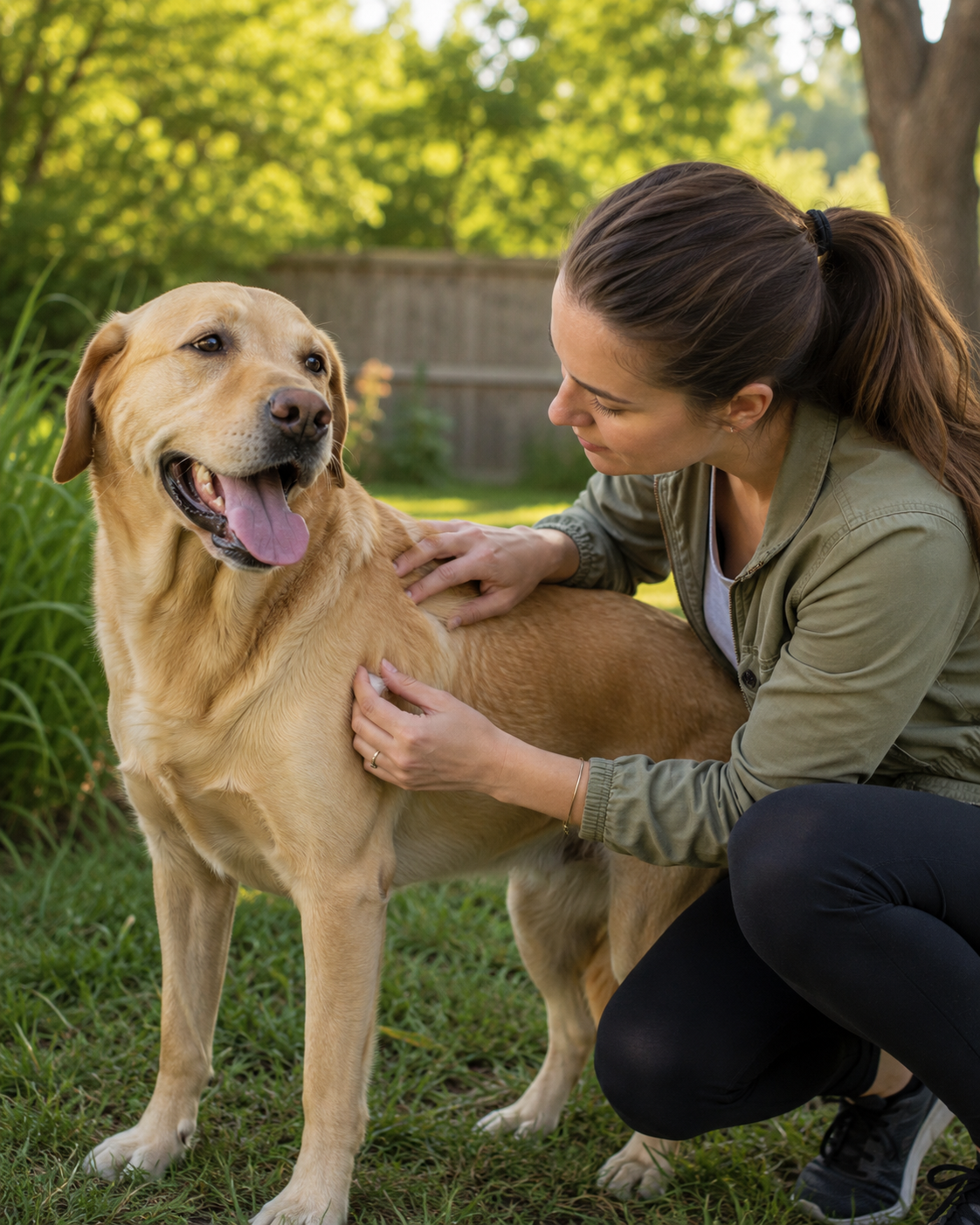
Meta Description: Discover safe, natural tick protection methods for dogs — from essential oils to diet, grooming, and yard care. A vet-informed, global guide for worried pet parents.
If you’ve ever pulled a tiny, blood-swollen tick off your dog after a walk in the park, you know the feeling — a mix of disgust, worry, and “how did I miss that?” Ticks are more than just a gross nuisance. They’re carriers of serious diseases like Lyme disease, ehrlichiosis, anaplasmosis, and babesiosis, and they can affect dogs (and humans) in almost every climate, from the forests of North America to the grasslands of Australia and the countryside of Europe and Asia.
Many pet parents today are moving away from harsh chemical treatments and looking for natural tick protection for dogs — options that are gentler on their pet’s skin, safer for households with children, and kinder to the environment. The good news is that natural doesn’t mean ineffective. With the right combination of prevention strategies, you can significantly reduce your dog’s risk of tick bites without relying solely on synthetic pesticides.
This guide walks you through everything you need to know: how ticks operate, why natural prevention matters, the most effective natural methods available today, a DIY spray recipe you can make at home, and a roundup of trusted natural products worth considering.
Table of Contents
- Why Ticks Are More Than Just Annoying
- Understanding the Tick Life Cycle
- Why Choose Natural Tick Protection?
- Signs Your Dog May Have a Tick Problem
- Top Natural Tick Prevention Methods
- DIY Natural Tick Repellent Spray Recipe
- Best Natural Tick Protection Products to Consider
- How to Safely Remove a Tick
- Natural vs. Chemical Prevention: A Balanced Comparison
- Tick Prevention Tips by Season and Region
- Frequently Asked Questions
- Final Thoughts
1. Why Ticks Are More Than Just Annoying
Ticks are small arachnids that latch onto a host’s skin and feed on blood for several days. While a single bite might seem harmless, ticks are known vectors for a range of diseases that can affect both dogs and their human companions. Depending on your region, your dog could be exposed to:
Lyme disease — common in North America and parts of Europe, causing joint pain, fever, and lethargy.
Ehrlichiosis — spread by the brown dog tick, found nearly worldwide, affecting white blood cells.
Babesiosis — a parasite that destroys red blood cells, more common in warmer climates.
Anaplasmosis — causes fever, joint pain, and in severe cases, bleeding disorders.
Rocky Mountain Spotted Fever — found in the Americas, can cause fever and vascular damage.
Because these illnesses can take weeks to show symptoms, prevention is always more effective — and far less stressful — than treatment after the fact.
2. Understanding the Tick Life Cycle
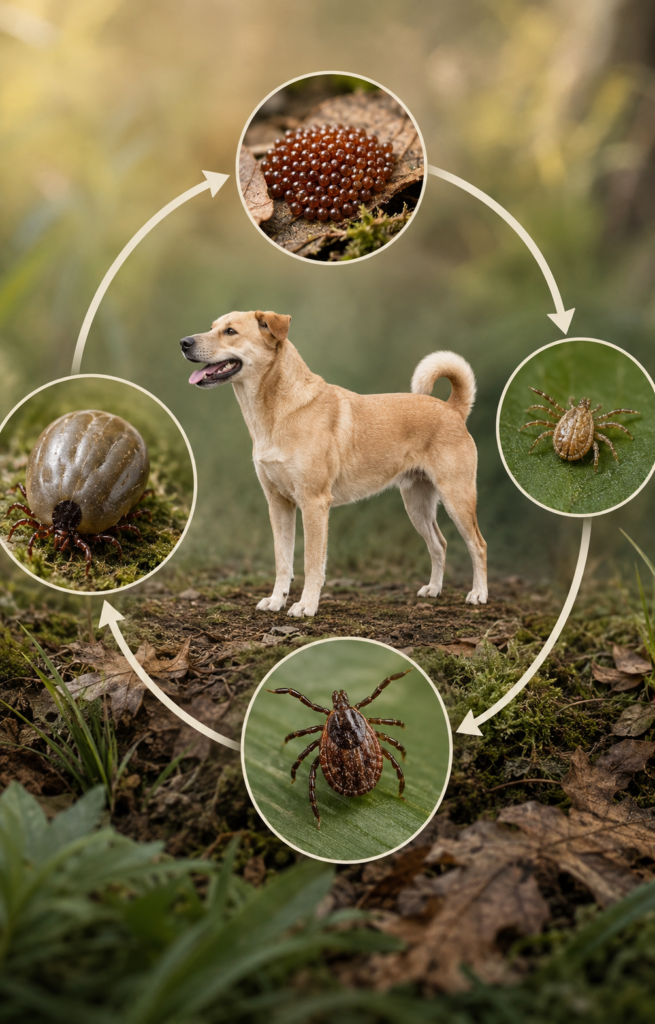
Knowing how ticks operate helps you time your prevention efforts correctly. Ticks go through four life stages: egg, larva, nymph, and adult. They need a blood meal at almost every stage to progress, which is why they’re constantly seeking hosts — including your dog.
Ticks don’t jump or fly. Instead, they wait on tall grass, shrubs, or leaf litter in a behavior called “questing,” with their front legs outstretched, ready to grab onto any passing animal or person. This is why dogs who walk through wooded areas, tall grass, or parks with dense vegetation are at higher risk.
Most ticks are most active in spring and early summer, but in warmer regions, they can remain active year-round. This means natural tick protection for dogs isn’t a seasonal task in many parts of the world — it’s a year-round commitment.
3. Why Choose Natural Tick Protection?
Many conventional tick treatments use chemical compounds like permethrin, fipronil, or isoxazolines. While these are effective and approved by regulatory bodies in many countries, some pet owners report sensitivities in their dogs, including skin irritation, lethargy, or gastrointestinal upset. Others simply prefer to minimize their household’s overall chemical exposure, especially in homes with young children, elderly pets, or multiple animals.
Natural tick protection appeals to pet parents for several reasons:
Fewer synthetic chemicals on your dog’s skin and coat
Reduced risk of adverse reactions in sensitive or senior dogs
Environmentally friendlier — natural repellents often biodegrade more easily
Peace of mind for households that prioritize holistic pet care
Complementary use alongside vet-recommended treatments for extra protection
It’s worth noting upfront: natural methods work best as part of a layered prevention strategy, not as a single silver bullet. Combining several natural approaches — diet, grooming, yard care, and natural repellents — gives you the best results.
4. Signs Your Dog May Have a Tick Problem
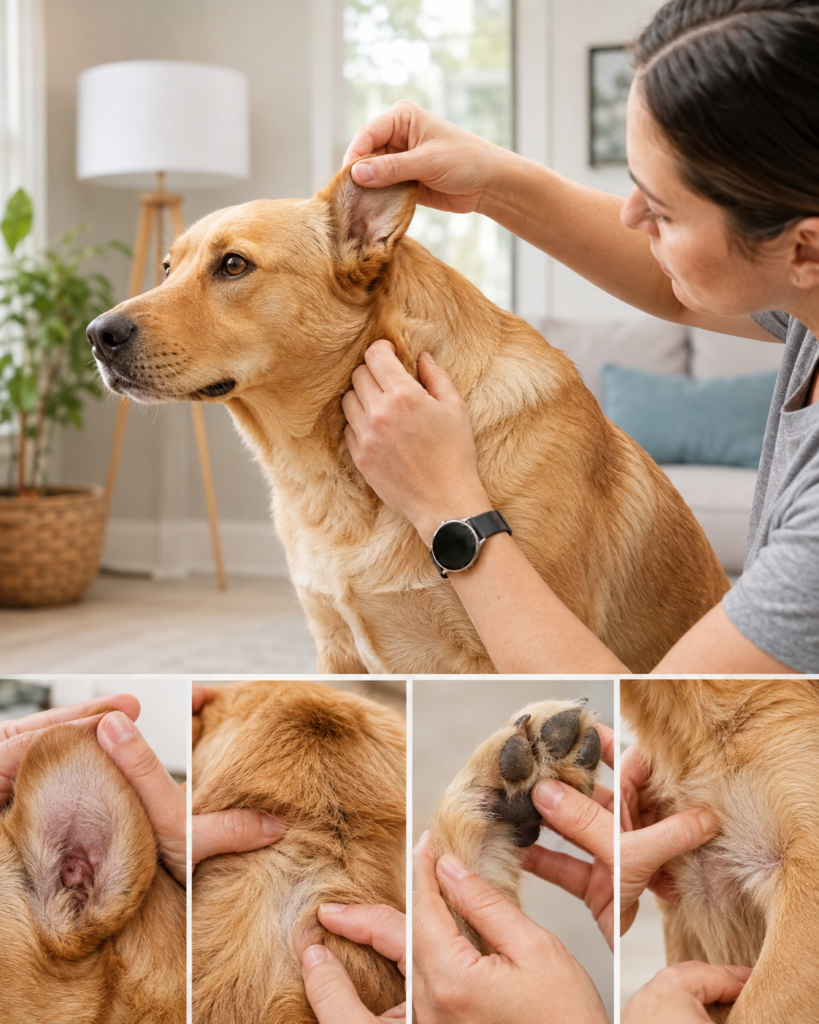
Even with the best prevention, it’s important to know what to watch for. Common signs include:
- Excessive scratching or licking at one spot
- Small bumps or scabs on the skin, especially around ears, neck, armpits, and paws
- Visible ticks (often the size of a sesame seed before feeding, and a small grape after)
- Lethargy, reduced appetite, or fever a few days after a hike or outdoor activity
- Swollen lymph nodes
- Limping or joint stiffness (a possible sign of tick-borne illness)
If your dog shows fever, lethargy, or joint pain days or weeks after being outdoors, consult your veterinarian promptly. Natural prevention reduces risk, but it does not replace professional veterinary diagnosis and care.
5. Top Natural Tick Prevention Methods
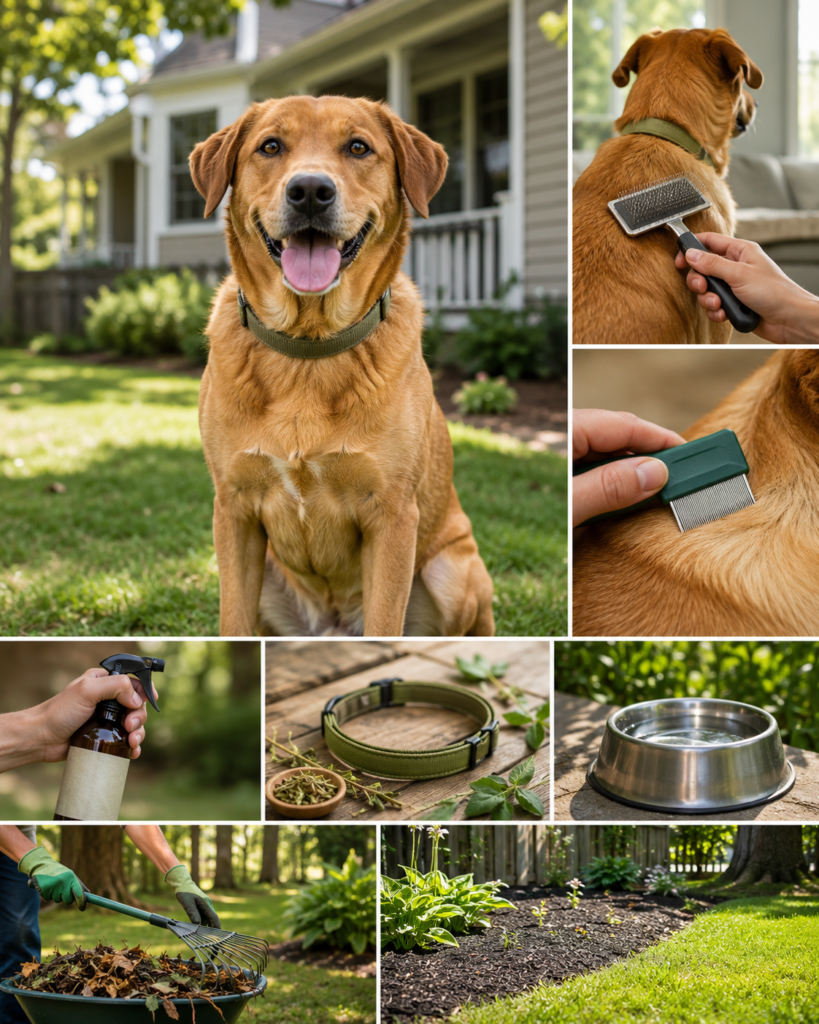
A. Essential Oil-Based Repellents
Certain essential oils have natural insect-repelling properties. The most commonly used include:
- Cedarwood oil — a classic natural repellent that many ticks avoid
- Lemongrass oil — has a scent ticks and fleas dislike
- Lavender oil — repels pests while also having a calming effect on dogs
- Peppermint oil — used in small, diluted amounts
Important safety note: Essential oils must always be heavily diluted and used cautiously with dogs — some oils (like tea tree oil in high concentrations) can be toxic to pets. Always use pet-safe, pre-formulated products rather than mixing undiluted essential oils yourself, and check with your vet first, especially for small breeds, puppies, or cats in the household (cats are far more sensitive to essential oils than dogs).
If you’d rather skip the guesswork of dilution ratios, many brands sell ready-to-use, vet-formulated natural sprays:
👉 Cedarwood & Lemongrass Natural Tick Spray for Dogs-
https://link.amazon/B0ccwjCSB
B. Natural Tick Collars
Natural tick collars use plant-based active ingredients instead of synthetic pesticides. They typically release a slow, steady natural scent that deters ticks from latching on. These are convenient because they don’t require reapplication as often as sprays.
👉 Herbal Tick & Flea Collar for Dogs-
https://link.amazon/B082wHBHz
C. Diet and Supplements
What goes into your dog’s body can influence how attractive they are to pests. Some natural approaches include:
- Apple cider vinegar — a small diluted amount added to water or food is believed by some pet owners to alter skin pH, making dogs less appealing to ticks (evidence is largely anecdotal, so use in moderation)
- Brewer’s yeast — thought to change body odor in a way that deters pests, though scientific support is limited
- Omega-3 fatty acids — support healthy skin and coat, which is your dog’s first line of defense against parasites latching on
👉 Omega-3 Fish Oil Supplement for Dogs–
https://link.amazon/B076820Lc
(Note: Garlic and onion should never be given to dogs in medicinal doses — they are toxic to dogs in larger quantities, despite some old home remedies suggesting otherwise.)
D. Regular Grooming and Tick Combs
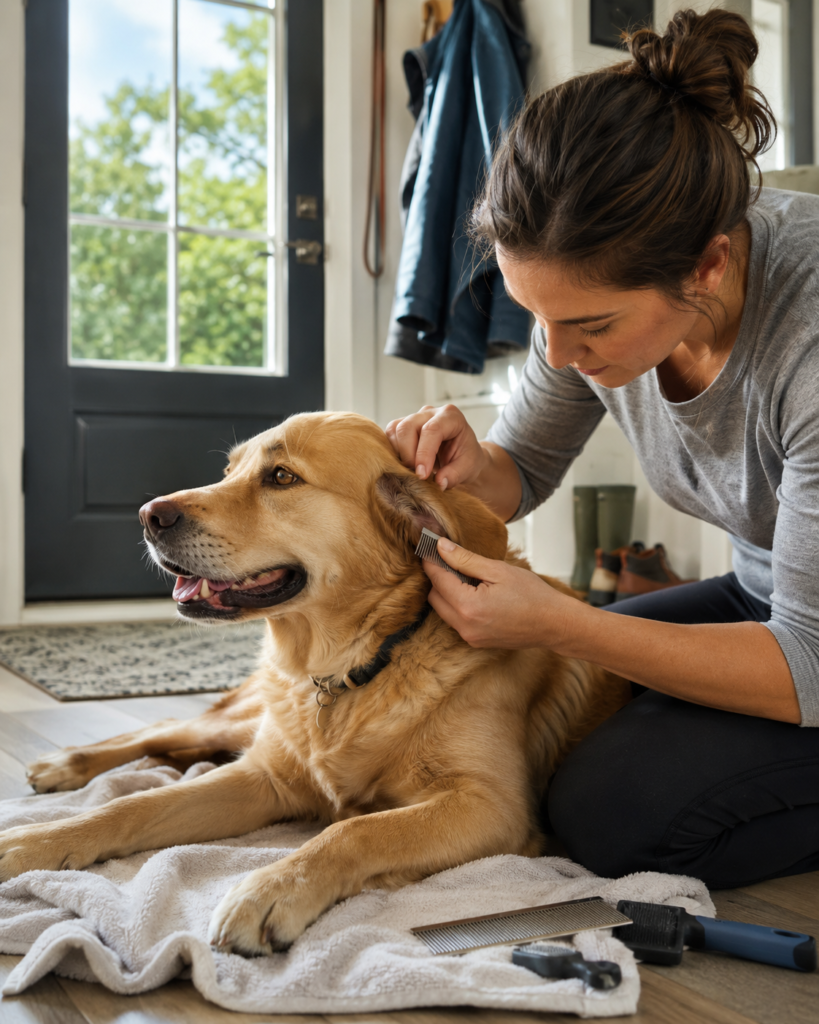
One of the most effective — and completely chemical-free — methods is simply checking your dog daily. A fine-toothed tick comb lets you catch ticks before they attach fully, especially after walks in grassy or wooded areas.
Focus your check on:
- Ears (inside and around the base)
- Neck and collar area
- Armpits and groin
- Between toes
- Under the tail
E. Natural Powders (Diatomaceous Earth)
Food-grade diatomaceous earth (DE) is a fine powder made from fossilized algae. It works mechanically — its microscopic sharp edges damage the exoskeleton of ticks and fleas, causing dehydration. It’s non-toxic when food-grade DE is used correctly, but it should be applied carefully to avoid inhalation by your dog or yourself, and kept away from the eyes.
👉Food-Grade Diatomaceous Earth for Pets-
https://link.amazon/B0bQgfrNH
F. Yard and Home Maintenance

Prevention isn’t just about your dog’s body — it’s about their environment too:
- Keep grass mowed short
- Clear leaf litter and brush piles
- Create a barrier of wood chips or gravel between lawns and wooded areas
- Consider natural yard sprays with cedar oil or nematodes (microscopic organisms that prey on tick larvae) for outdoor spaces
G. Natural Wipes for Post-Walk Cleanup

Keeping a pack of natural, alcohol-free wipes by the door makes it easy to do a quick wipe-down after every walk, removing ticks that haven’t yet attached and general debris from the coat.
👉Natural Pet Grooming Wipes with Aloe
https://link.amazon/B00FUox6W
H. Tick Prevention Shampoo
Bathing your dog periodically with a natural, cedar or neem-based shampoo can help repel ticks while also keeping the coat and skin healthy. Neem oil, in particular, has long been used in traditional practices across South Asia for its insect-repelling properties.
👉Neem & Cedarwood Natural Tick Shampoo for Dogs
https://link.amazon/B00UoCWwa
6. DIY Natural Tick Repellent Spray Recipe
If you enjoy a hands-on approach, here’s a simple, vet-consulted starting recipe. Always do a small patch test on your dog’s skin first and consult your veterinarian before regular use, especially for puppies, pregnant dogs, or dogs with sensitive skin.
You’ll need:
- 1 cup distilled water
- 2 tablespoons apple cider vinegar
- 10 drops cedarwood essential oil (pet-safe, high quality)
- 5 drops lavender essential oil (optional)
- A clean spray bottle
Instructions:
- Combine all ingredients in the spray bottle and shake well.
- Lightly mist your dog’s coat, avoiding the eyes, nose, and mouth.
- Brush through the coat to distribute evenly.
- Reapply before outdoor activities, and after bathing.
This spray isn’t a replacement for full-strength prevention in high-risk areas, but it’s a helpful, low-cost addition to your routine — and a great option if you want to avoid store-bought sprays with added preservatives or fragrances.
7. How to Safely Remove a Tick
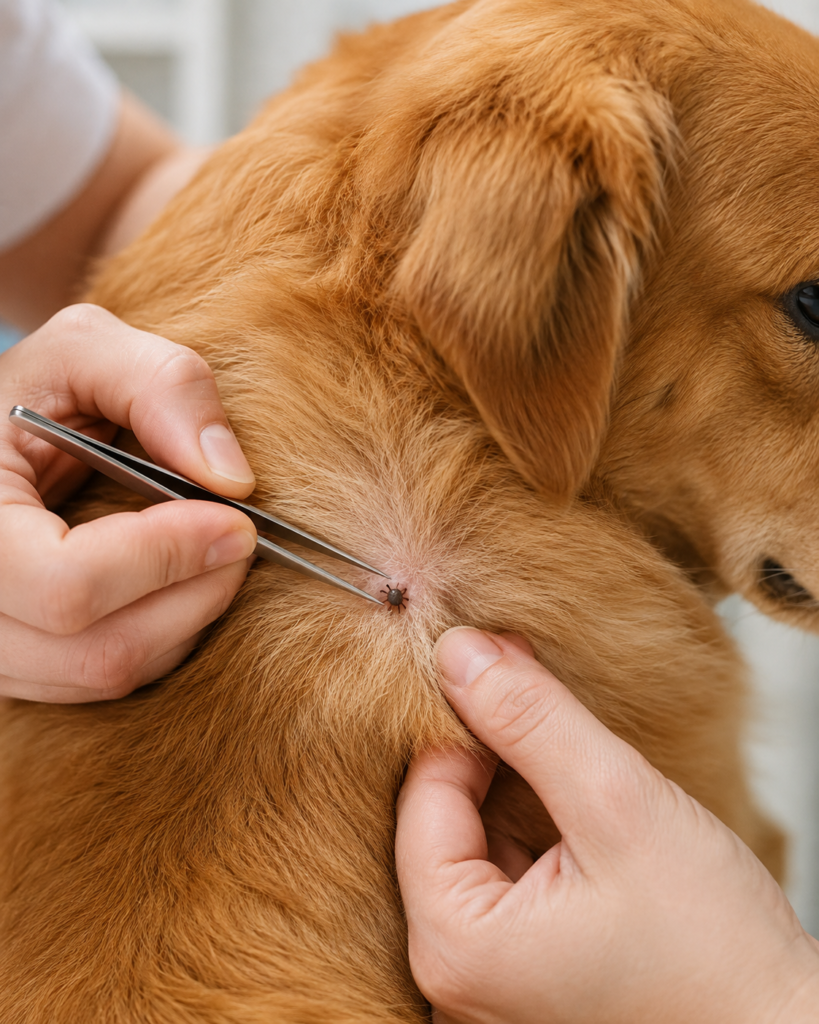
If you do find a tick despite your best prevention efforts, don’t panic — quick, correct removal significantly lowers disease transmission risk.
- Use fine-tipped tweezers or a tick removal tool. Grasp the tick as close to the skin as possible.
- Pull upward with steady, even pressure. Don’t twist or jerk, which can leave mouthparts embedded in the skin.
- Clean the bite area with mild soap and water or a pet-safe antiseptic.
- Disinfect your tools and wash your hands thoroughly.
- Monitor the area for the next few weeks for redness, swelling, or your dog showing signs of illness.
- Never use petroleum jelly, a hot match, or nail polish to try to “suffocate” the tick — these outdated methods can actually increase the risk of disease transmission by causing the tick to regurgitate into the bite wound.
If you’re ever unsure whether you’ve removed the tick completely, or if your dog shows any unusual symptoms afterward, contact your veterinarian.
8. Natural vs. Chemical Prevention: A Balanced Comparison

It’s worth being honest about the trade-offs, since this is where many pet owners get stuck.
Natural methods tend to be gentler, lower-risk for sensitive dogs, and appealing for eco-conscious households — but they generally require more frequent application, more consistency, and offer somewhat less guaranteed protection in high-tick-density regions.
Chemical/veterinary-prescribed treatments (like isoxazoline-class chewables or spot-on treatments) are typically backed by clinical trials and offer stronger, longer-lasting protection — but carry a small risk of side effects in some dogs and aren’t preferred by owners seeking a fully natural lifestyle for their pets.
Many veterinarians recommend a combined approach: using a vet-approved preventive as the primary defense, especially in high-risk regions or seasons, while layering natural methods (grooming, diet, yard care, natural sprays) for added protection and reduced overall chemical exposure. Always discuss your dog’s specific risk level with your vet, since factors like breed, age, health history, and geographic location all matter.
9. Tick Prevention Tips by Season and Region

Spring and Summer (most regions): Peak tick activity. Increase frequency of checks and reapply natural sprays every 1–2 days if your dog is highly active outdoors.
Autumn: Ticks remain active until the first hard frost in temperate climates. Don’t let your guard down just because it’s cooling down.
Winter: In milder or subtropical regions (parts of Australia, southern US, South Asia, the Mediterranean), ticks can remain active year-round. In colder climates, adult ticks can still be active on unseasonably warm days.
Humid, tropical, or subtropical regions: Higher tick density overall — prioritize daily grooming checks and consider more frequent use of natural repellent sprays.
Dry, arid regions: Ticks tend to concentrate near shaded, moist areas like bushes and water sources — be extra cautious on hikes near creeks or dense vegetation.
10. Frequently Asked Questions
Are natural tick repellents as effective as chemical ones? Natural repellents can meaningfully reduce tick attachment, especially when used consistently and combined with grooming and yard care. However, in high-risk areas, they may not offer the same level of protection as clinically tested veterinary products. Combining both approaches often gives the best results.
Is cedarwood oil safe for all dogs? Generally yes, when properly diluted in pet-safe, pre-formulated products. Avoid using it on very young puppies or dogs with known sensitivities without veterinary guidance.
Can I use essential oils on cats too? Be very cautious — cats metabolize essential oils very differently from dogs and many oils that are safe for dogs are toxic to cats. Always use species-specific products.
How often should I check my dog for ticks? Ideally after every walk in grass, woods, or parks, and at minimum once daily during peak tick season.
Do natural tick collars really work? Many pet owners report good results, particularly in low-to-moderate tick environments. Effectiveness can vary by brand and by how consistently they’re replaced.
What’s the safest way to remove a tick without hurting my dog? Use fine-tipped tweezers or a dedicated tick removal tool, grip close to the skin, and pull straight up with steady pressure — never twist.
11. Final Thoughts
Protecting your dog from ticks doesn’t have to mean choosing between “natural” and “effective.” By combining a few smart habits — regular grooming checks, a natural repellent spray or collar, a skin-supporting diet, and a well-maintained yard — you can build a layered defense that keeps your dog safer on every walk, hike, or backyard adventure.
Every dog and every region is different, so it’s always worth having a conversation with your veterinarian about the right balance of natural and conventional prevention for your specific pet. But with the tools and tips in this guide, you’re already well on your way to giving your furry companion the natural, worry-free protection they deserve.
Disclosure: This post contains affiliate links. If you purchase through these links, we may earn a small commission at no extra cost to you. This helps support the free content we create. This article is for informational purposes only and does not replace professional veterinary advice — always consult your veterinarian regarding your dog’s specific health needs.