
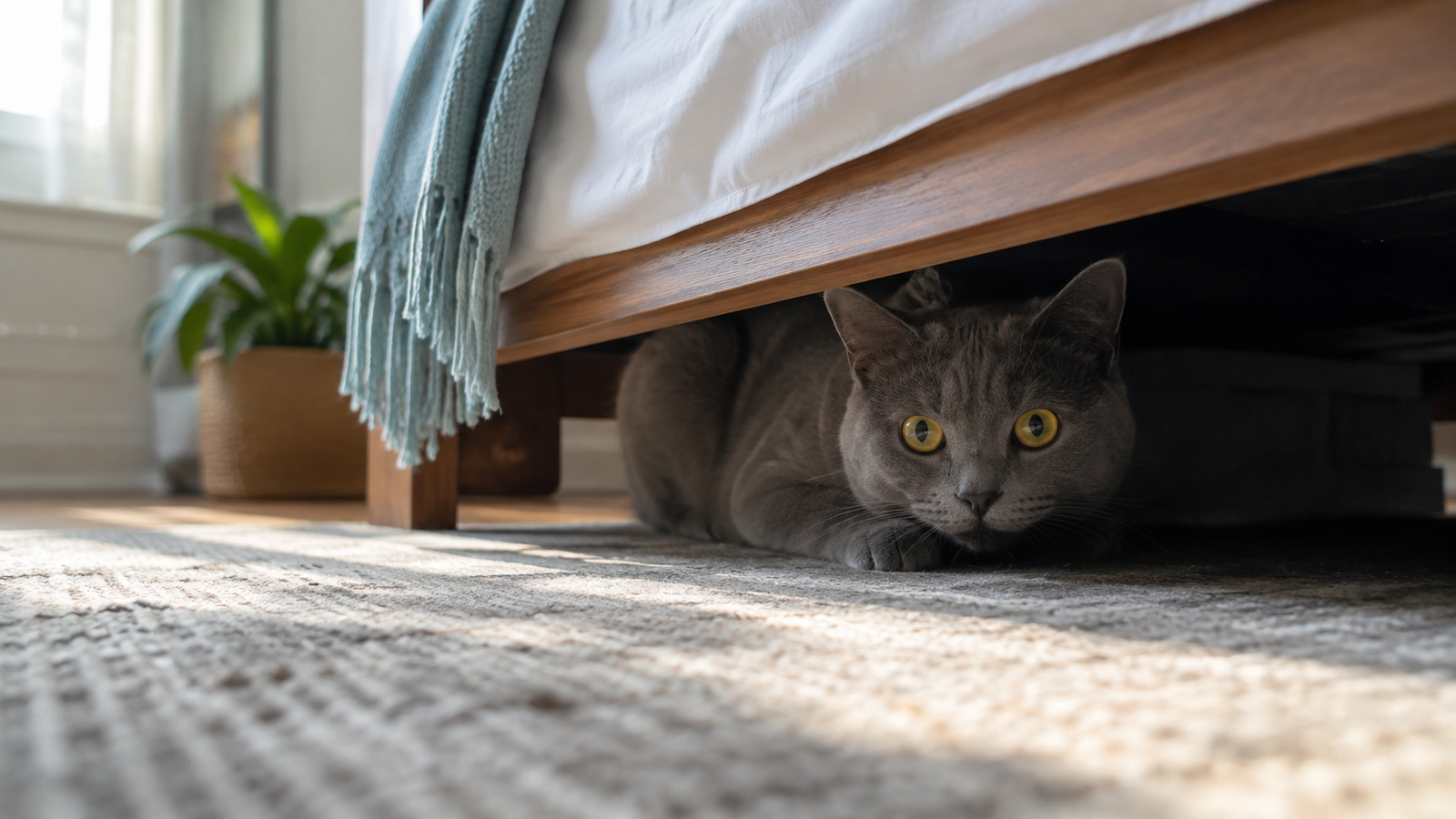
If you clicked on this article, chances are you walked into your living room, called your cat’s name, and got… nothing. No meow, no scampering feet, no cat sitting in its favorite sunny spot. Instead, you probably found your furry friend tucked away under the bed, behind the couch, or squeezed into the back of a closet.
It’s a strange, slightly worrying feeling. Cats are creatures of habit, and when their behavior changes overnight, it’s natural to wonder: Is something wrong with my cat? Are they sick? Scared? Upset with me?
The good news is that hiding is one of the most common cat behaviors, and in most cases, it’s your cat’s way of communicating something rather than a sign of a crisis. In this guide, we’ll walk through the 10 most likely reasons your cat is suddenly hiding, how to tell the difference between normal behavior and a real emergency, and practical steps you can take today to help your cat feel safe and comfortable again.
Let’s dig in.
Why Do Cats Hide in the First Place?
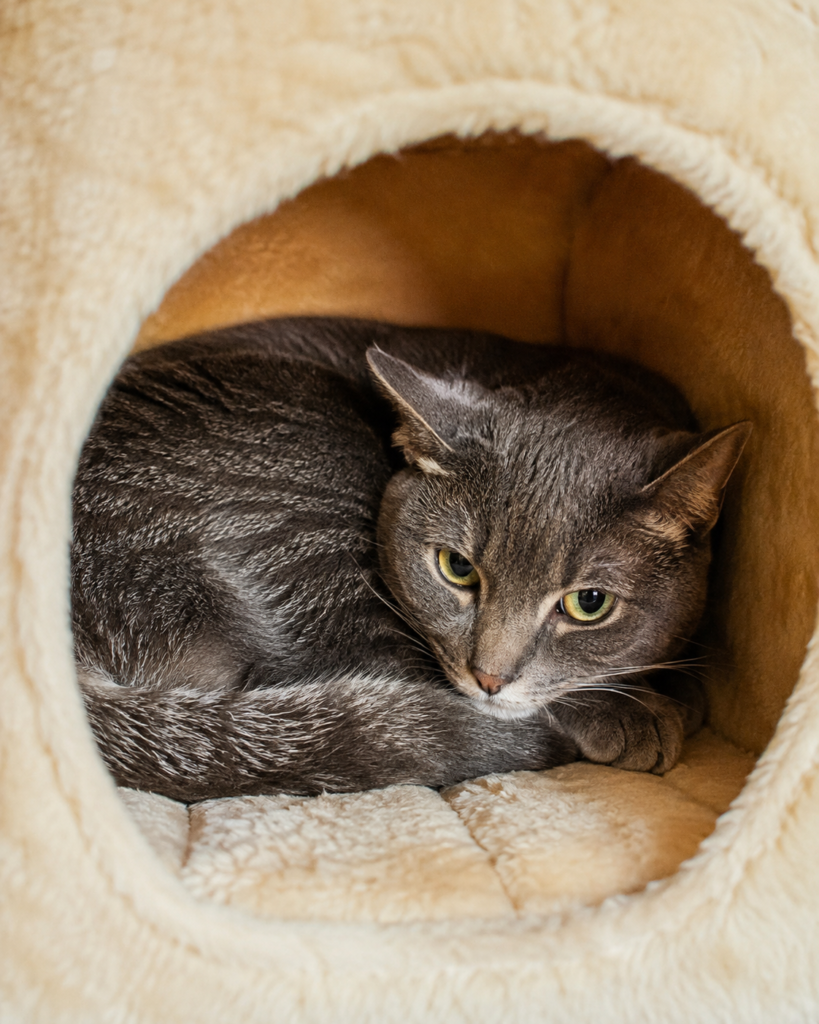
Before we get into specific reasons, it helps to understand cat psychology. In the wild, cats are both predators and prey. When they feel vulnerable, sick, scared, or overwhelmed, their instinct is to disappear from sight. Hiding is a survival mechanism passed down from their wild ancestors — it keeps them safe from potential threats while they figure out what’s going on.
So when your indoor, well-fed house cat suddenly starts hiding, it doesn’t mean something is “broken.” It usually means your cat’s internal alarm system has been triggered by something in their environment, body, or emotions.
Now let’s look at the most common triggers.
1. Your Cat May Be Sick or in Pain
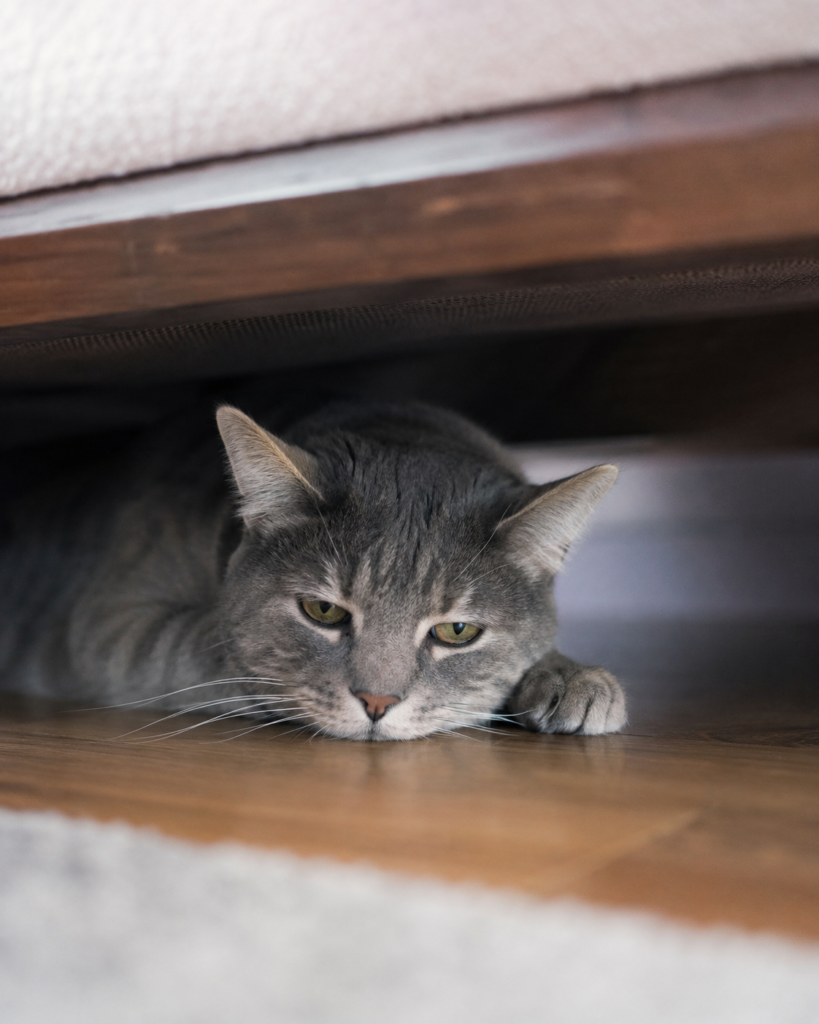
This is the number one reason vets point to when a cat’s behavior changes suddenly. Cats are experts at masking pain and illness — again, an instinct from the wild, where showing weakness could make them a target. Hiding is often the only outward sign that something feels off internally.
Common health issues linked to sudden hiding include:
- Urinary tract infections or blockages
- Dental pain
- Digestive issues or nausea
- Arthritis or joint pain
- Infections or fevers
Watch for these additional signs:
- Changes in appetite or water intake
- Vomiting or diarrhea
- Straining in the litter box
- Lethargy or reduced grooming
- Hiding combined with hissing when touched
If your cat is hiding and showing any of these symptoms, it’s best to schedule a vet visit rather than wait it out. Catching health issues early almost always leads to better outcomes and lower treatment costs.
A comfortable carrier makes vet visits far less stressful for both of you. Many cat owners find that a carrier with a top-opening design and a soft interior helps reduce fear during transport.
👉 [Explore top-rated cat carriers for stress-free vet visits – https://link.amazon/B07tjakIp]
2. Stress or Anxiety
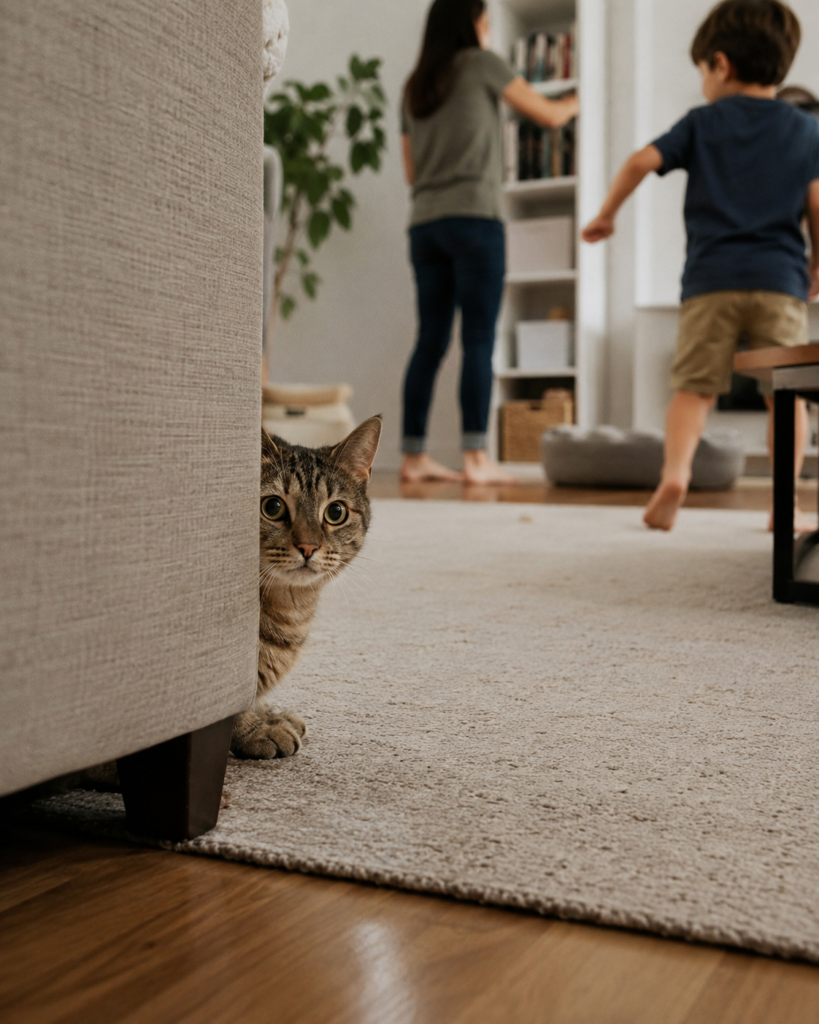
Cats are far more sensitive to change than most people realize. Something as small as rearranged furniture, a new candle scent, or a different laundry detergent can throw off their sense of security. When cats feel anxious, hiding is their go-to coping mechanism.
Common stress triggers include:
- Houseguests or parties
- Construction noise nearby
- Changes in your work schedule
- A recent move
- Conflict with another pet in the home
Cats thrive on predictability. Even changes that seem minor to us can feel enormous to them.
Helpful tip: Pheromone diffusers designed to mimic natural feline calming signals can make a noticeable difference in reducing anxiety-related hiding within a few days of consistent use.
👉 [Check out calming pheromone diffusers for anxious cats – https://link.amazon/B0aavgZ7R]
3. A New Environment or Home Changes
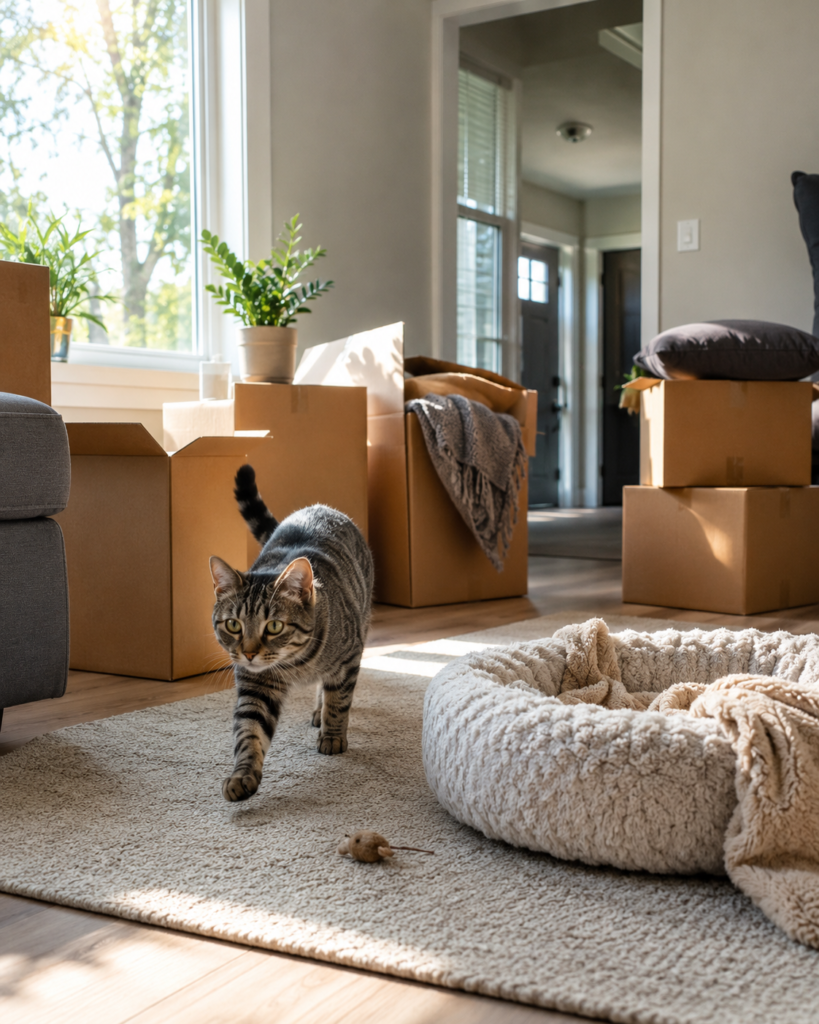
Moving to a new house, rearranging rooms, or even bringing home new furniture can make your cat feel like their territory has been compromised. Cats build a mental map of their environment using scent markers, and any disruption to that map can be unsettling.
If you’ve recently moved or renovated, give your cat time. Set up a small “safe room” with their litter box, food, water, and a hiding spot of their own choosing. Let them explore the rest of the home at their own pace instead of forcing interaction.
A cozy, enclosed cat bed can serve as a designated safe zone that helps cats settle into new spaces faster.
4. Loud Noises or Sudden Sounds
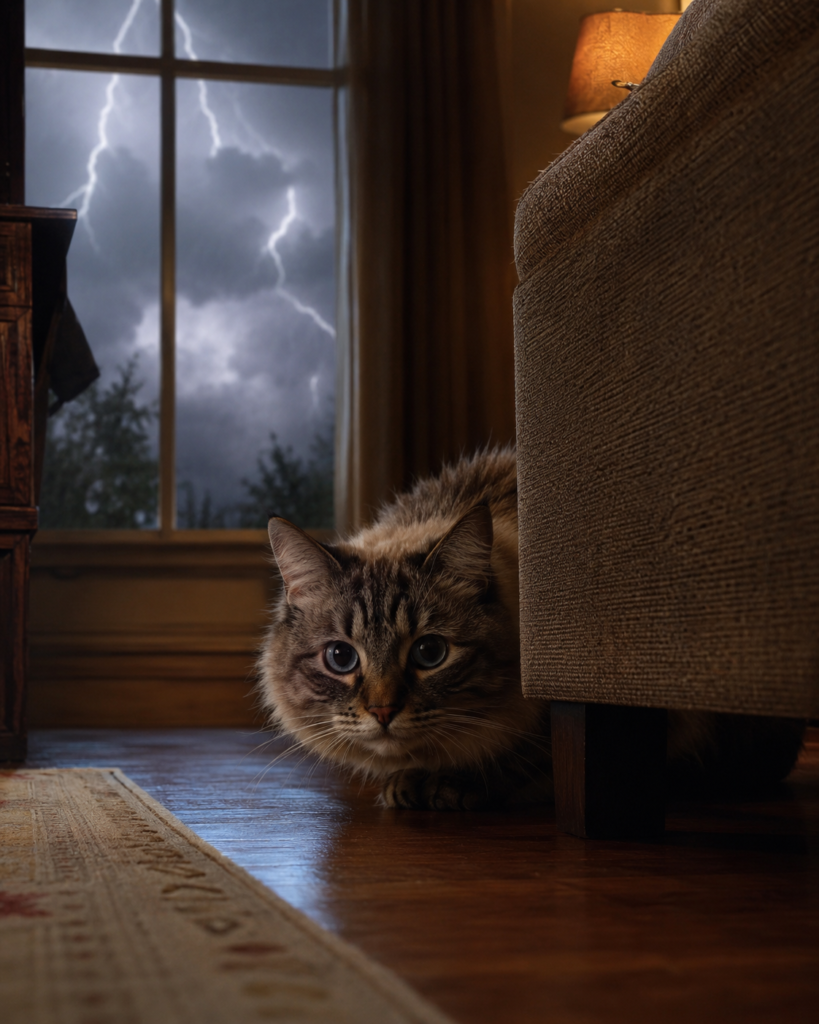
Thunderstorms, fireworks, vacuum cleaners, and even loud arguments can send a cat running for cover. Cats have incredibly sensitive hearing — several times more sensitive than humans — so sounds that seem mild to us can feel overwhelming to them.
If your cat hides every time it storms or during specific noisy events (like holidays with fireworks), this is likely situational rather than a sign of illness. The hiding should resolve once the noise stops.
Tip: Playing soft background music or white noise during known noisy events can help mask jarring sounds.
A white noise machine or a small speaker dedicated to calming sounds can be a simple, affordable fix.
👉[Find white noise machines to help soothe anxious pets – https://link.amazon/B09P34rMh]
5. A New Pet or Animal in the House

Whether it’s a new kitten, dog, or even a visiting pet, introducing another animal into the home is one of the most common causes of sudden hiding. Cats are territorial by nature, and a new animal represents both a resource competitor and a potential threat until proven otherwise.
Signs the new pet is the cause:
- Hiding started right after the new animal arrived
- Increased hissing or growling when the new pet is nearby
- Reduced appetite when the other pet is in the same room
What helps: Slow, supervised introductions over 1–2 weeks work far better than forcing interaction immediately. Feeding pets on opposite sides of a closed door at first, then gradually decreasing distance, can ease the transition.
Interactive toys can also help redirect nervous energy and build positive associations between pets.
6. Pregnancy or Nesting Instincts
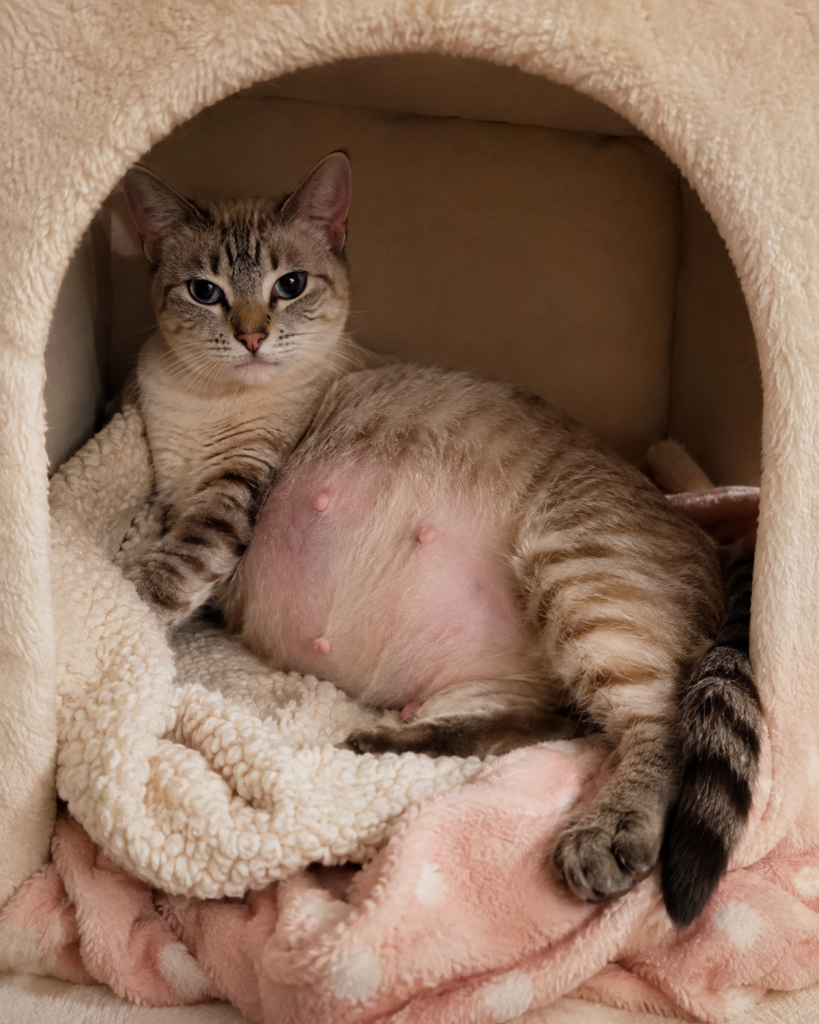
If your cat is unspayed and hiding along with other symptoms like a swollen belly, increased affection, or nesting behavior (like pulling blankets into a corner), she may be pregnant and preparing to give birth.
Pregnant cats often seek out dark, quiet, enclosed spaces in the final week before labor. This is completely natural and mirrors wild cat behavior, where mothers hide their newborns from predators.
If you suspect pregnancy, consult your vet to confirm and get guidance on prenatal care.
A soft, enclosed nesting box can give a pregnant or nursing cat the privacy and comfort she needs.
7. Aging and Cognitive Changes
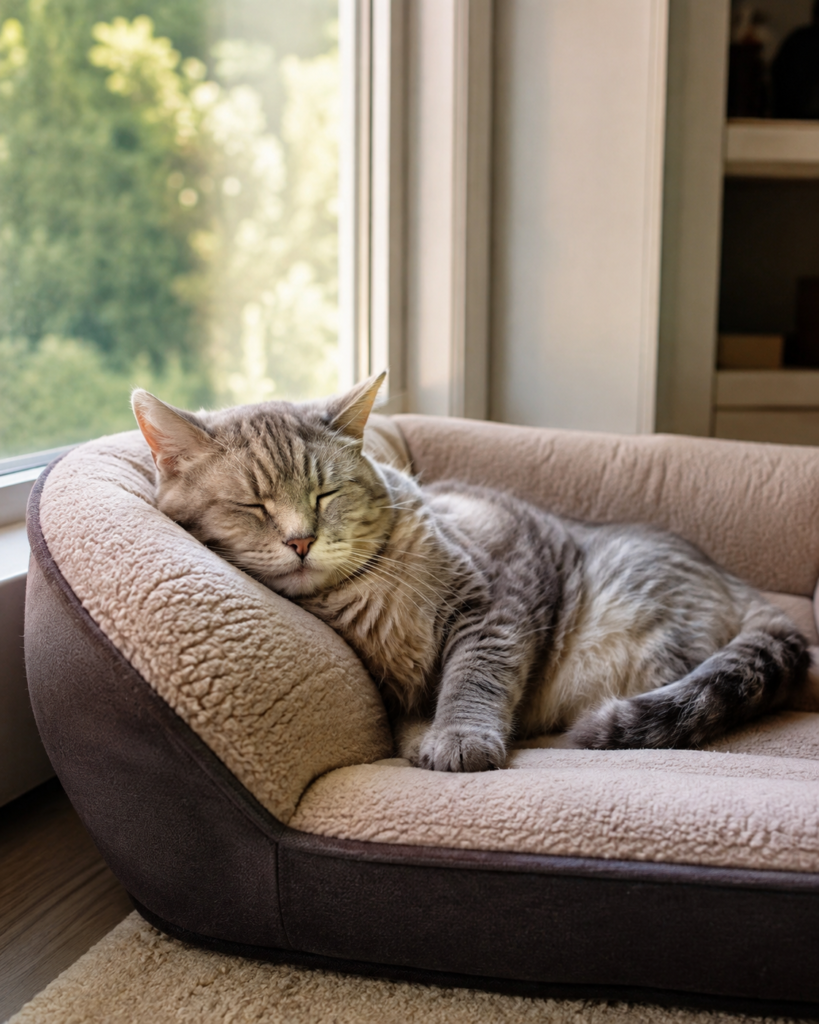
Just like humans, cats can experience cognitive decline as they age. Senior cats (typically 11+ years) may become more withdrawn, confused, or sensitive to their environment. This is sometimes referred to as feline cognitive dysfunction syndrome (FCDS).
Signs that aging may be a factor:
- Gradual increase in hiding over weeks or months (rather than sudden)
- Disorientation or getting “stuck” in corners
- Changes in sleep patterns
- Reduced interest in play
If your cat is a senior and showing these signs, a vet checkup can help rule out treatable conditions like hyperthyroidism, vision loss, or hearing loss, all of which can mimic cognitive decline.
Orthopedic beds with raised edges can offer older cats a joint-friendly place to rest and feel secure.
👉 [Explore orthopedic beds designed for senior cats – https://link.amazon/B0bhJZzHe]
8. Territorial Disputes With Other Household Cats
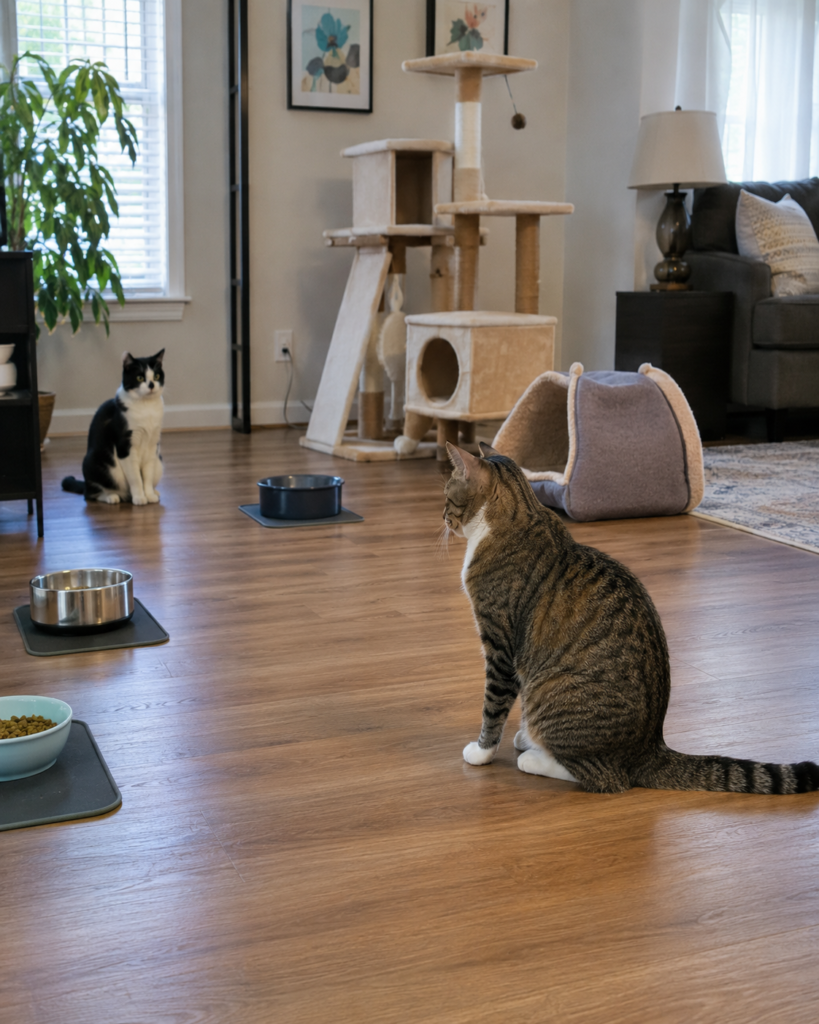
If you have multiple cats, subtle territorial disputes can cause one cat to start avoiding shared spaces. This isn’t always obvious — cats often don’t fight loudly. Instead, one cat may simply start avoiding rooms, litter boxes, or feeding areas where the other cat spends time.
Signs of territorial stress:
- One cat hiding more than the others
- Guarding behavior near food, litter boxes, or doorways
- Subtle staring contests or blocking
Fix: Make sure you have enough resources for every cat in the home. A general rule is one litter box per cat, plus one extra, placed in different locations — not lined up next to each other.
Having multiple feeding stations and vertical spaces like cat trees can also reduce competition-based stress.
9. A Scary or Traumatic Experience
Cats have excellent memories, especially when it comes to fear. If your cat had a startling experience — falling off a shelf, being chased by another animal, hearing a loud crash, or even a rough vet visit — they may associate a specific room, object, or person with that event and avoid it.
This type of hiding is usually localized. For example, your cat might avoid the kitchen if that’s where something scary happened, while behaving normally everywhere else.
How to help: Avoid forcing your cat back into the space. Instead, create positive associations using treats, toys, or calm, quiet time in that area until your cat feels safe again.
High-value treats can help rebuild trust and create positive memories in previously “scary” spaces.
10. Weather and Seasonal Changes
Cats are sensitive to changes in temperature, air pressure, and daylight hours. Some cats hide more during winter (seeking warmth) or during specific weather events like storms (due to changes in air pressure they can sense before humans notice anything).
If your cat’s hiding correlates with seasonal shifts, it’s likely a comfort-seeking behavior rather than a red flag. Providing a warm, cozy retreat can help.
A heated cat bed or self-warming mat can make a huge difference for cats who hide more during colder months.
When Should You Worry? Signs You Shouldn’t Ignore
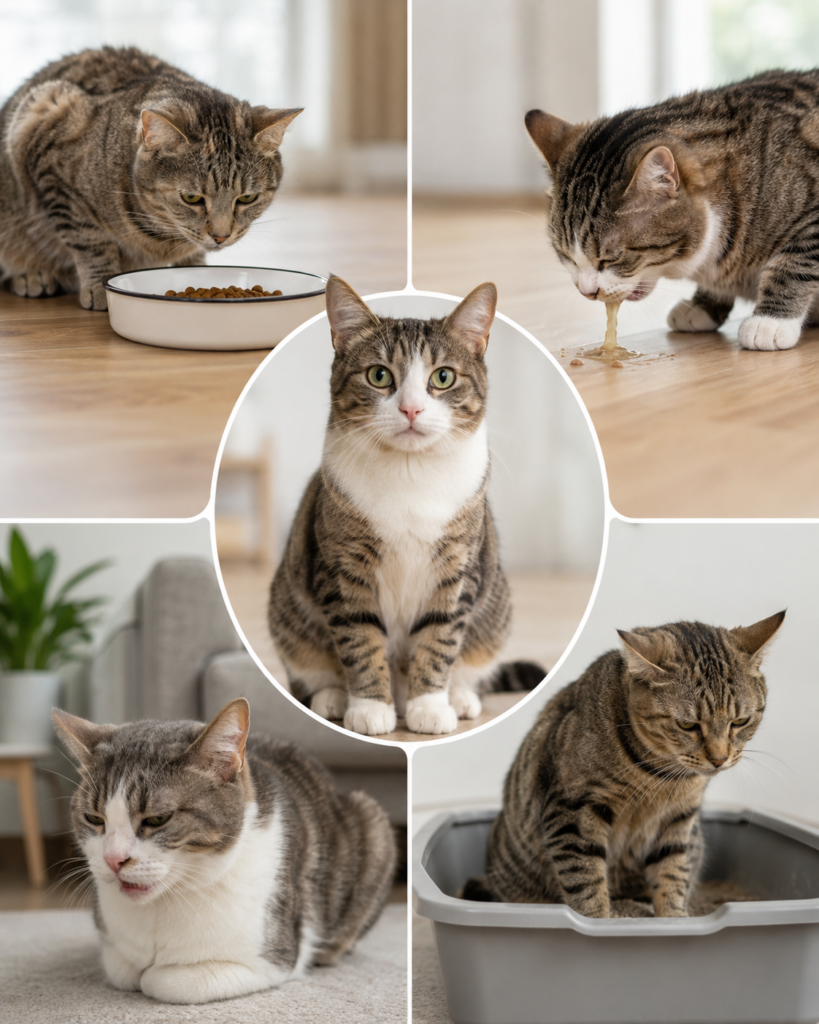
While occasional hiding is normal, certain combinations of symptoms warrant a same-day or next-day vet visit:
- Not eating or drinking for more than 24 hours
- Repeated vomiting or diarrhea
- Difficulty breathing
- Straining to urinate or no urination at all (this can be a life-threatening emergency, especially in male cats)
- Visible pain when touched or moved
- Hiding for multiple days with no improvement
Trust your instincts. You know your cat’s normal behavior better than anyone. If something feels seriously wrong, don’t wait — contact your veterinarian.
How to Gently Encourage Your Cat Out of Hiding
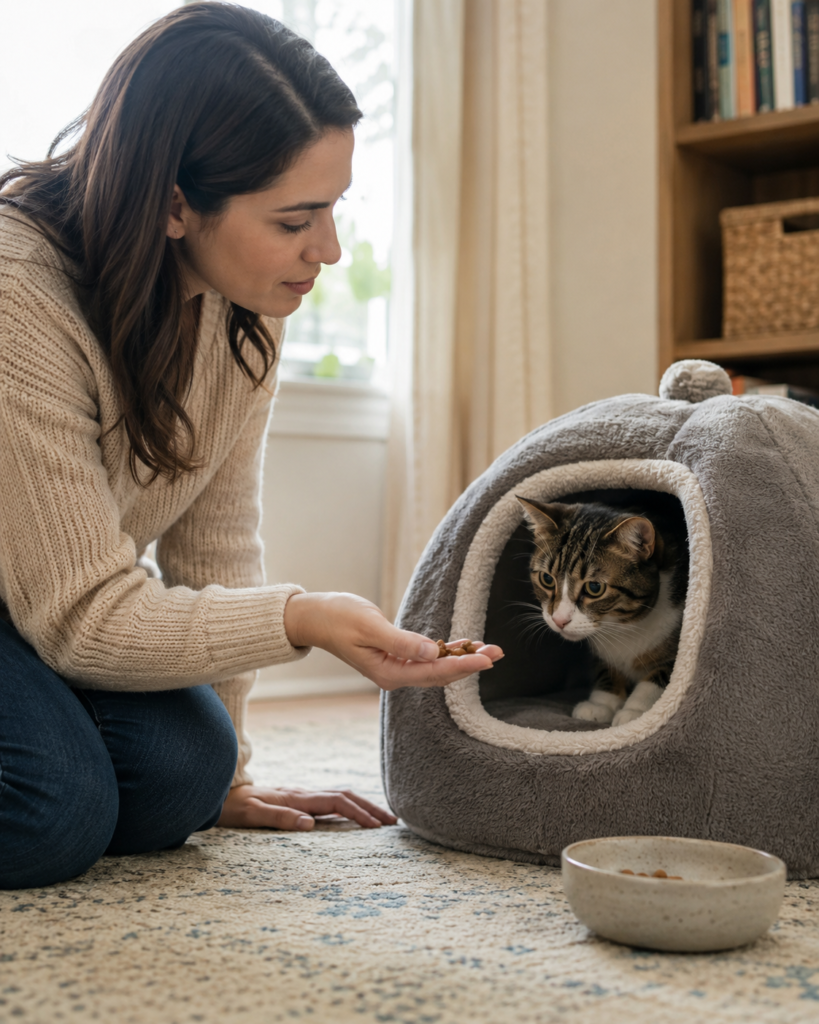
Once you’ve ruled out (or addressed) medical concerns, here are some gentle, non-forceful ways to help your cat feel safe again:
- Give them time. Don’t force interaction. Let your cat come out on their own terms.
- Keep the environment predictable. Stick to regular feeding and routine schedules.
- Use positive reinforcement. Offer treats or gentle play near (not inside) their hiding spot.
- Avoid loud reactions. Don’t scold or make sudden movements around a hiding cat.
- Create safe zones. Cozy beds, covered hideaways, and quiet rooms help cats decompress.
- Maintain scent familiarity. Avoid washing all their bedding at once — familiar scent helps them feel secure.
- Consider calming aids. Pheromone sprays, calming treats, or diffusers can ease anxiety-driven hiding.
Frequently Asked Questions
Is it normal for cats to hide for a few days? Occasional hiding for a day or two, especially after a stressful event, is usually normal. If hiding continues beyond 2–3 days with no improvement, or is paired with other symptoms, a vet visit is recommended.
Why does my cat hide when I have guests over? Many cats are naturally shy around unfamiliar people. This is a normal response to social stress and typically resolves once guests leave.
Should I pull my cat out of its hiding spot? No. Forcing a cat out of hiding usually increases stress and can damage trust. Let them come out voluntarily whenever possible.
Can stress alone make a cat sick? Yes. Prolonged stress can weaken a cat’s immune system and has been linked to conditions like feline idiopathic cystitis (a painful bladder condition). This is another reason addressing anxiety early matters.
Final Thoughts
A cat that suddenly starts hiding is trying to tell you something — whether it’s “I don’t feel well,” “I’m scared,” or simply “I need some quiet time.” As a cat owner, your job isn’t to force them out, but to observe, understand, and respond with patience.
In most cases, sudden hiding resolves within a few days once the underlying cause — stress, environmental change, or a minor health issue — is addressed. But if hiding is paired with other worrying symptoms, don’t hesitate to reach out to your veterinarian. Cats can’t tell us in words when something’s wrong, so it’s up to us to pay attention to the signs they can show us.
With a little patience, a few environmental adjustments, and the right comfort tools, your cat will likely be back to their curious, cuddly self before you know it.
This article is for general informational purposes only and is not a substitute for professional veterinary advice. If you’re concerned about your cat’s health or behavior, please consult a licensed veterinarian.
Disclosure: This post may contain affiliate links. If you make a purchase through these links, we may earn a small commission at no additional cost to you. We only recommend products we believe can genuinely help cat owners.