
Meta Description: Discover why collagen for dogs is one of the most talked-about supplements in pet health. Learn the benefits, best sources, dosage tips, and how to choose the right product for your dog’s joints, skin, and coat.
Affiliate Disclosure: This post contains affiliate links. If you purchase through these links, we may earn a small commission at no extra cost to you. We only recommend products we believe can genuinely help your dog’s health. This article is for informational purposes only and is not a substitute for professional veterinary advice.
Introduction
If you’ve spent any time in a pet store or scrolling through dog health forums lately, you’ve probably noticed one ingredient popping up everywhere: collagen. What used to be a niche supplement mostly used by bodybuilders and skincare enthusiasts has now become one of the most recommended additions to a dog’s daily diet.
But is collagen really worth the hype for our four-legged companions? The short answer is yes — and in this guide, we’ll break down exactly why. Whether you have an energetic puppy, a middle-aged dog starting to slow down, or a senior companion struggling with stiff joints, collagen could be one of the simplest and most effective additions to their routine.
By the end of this article, you’ll understand what collagen actually does inside your dog’s body, the real benefits backed by research and veterinary experience, how to choose a high-quality product, and how much to give based on your dog’s size. Let’s dive in.
What Is Collagen, and Why Does It Matter for Dogs?
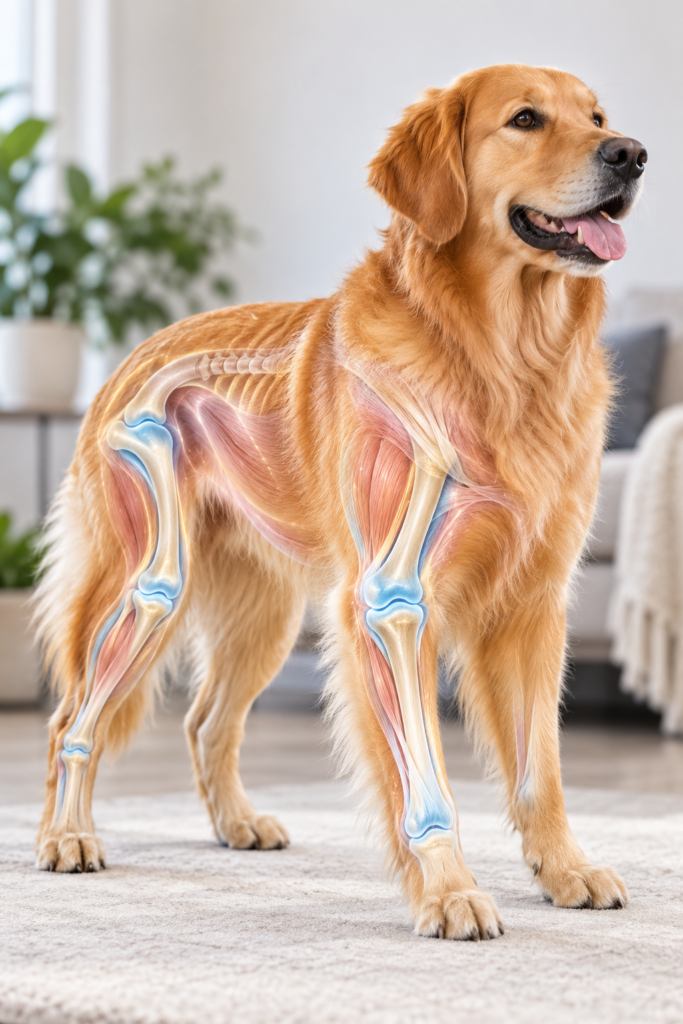
Collagen is the most abundant protein in a dog’s body, making up a large portion of their skin, joints, tendons, ligaments, bones, and even their gut lining. Think of collagen as the “glue” that holds your dog’s body together — it provides structure, elasticity, and strength to nearly every connective tissue.
Puppies naturally produce plenty of collagen, which is part of why they can run, jump, and play for hours without soreness. However, just like humans, a dog’s natural collagen production slows down with age, typically starting around 5–7 years old depending on the breed and size. Larger breeds tend to experience this decline earlier due to faster growth rates and more stress on their joints.
As collagen levels drop, dogs may start to show signs of:
- Stiffness after naps or long walks
- Reduced enthusiasm for jumping onto furniture or into cars
- Duller, drier coat
- Slower wound healing
- Digestive sensitivity
This is where collagen supplementation steps in — helping to replenish what the body can no longer produce efficiently on its own.
The Top Benefits of Collagen for Dogs
1. Supports Healthy Joints and Mobility
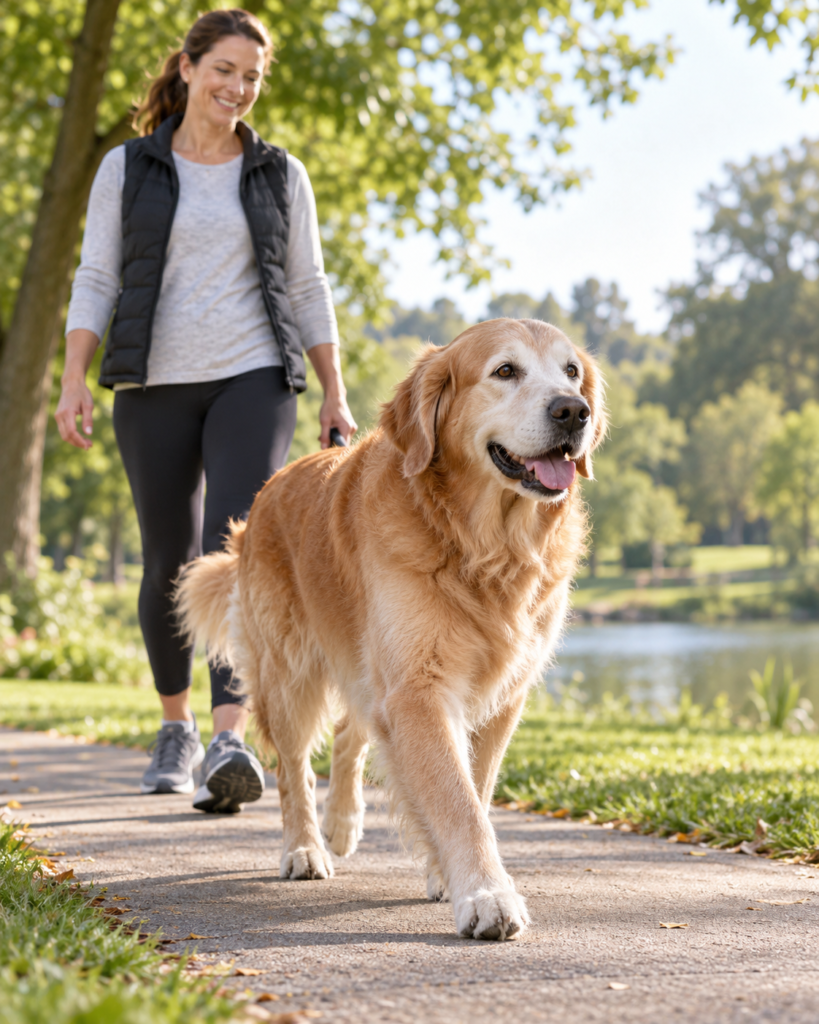
This is by far the most well-known benefit. Collagen is a major structural component of cartilage — the cushion-like tissue between bones. Supplementing with collagen (especially hydrolyzed collagen peptides) may help maintain cartilage integrity, reduce stiffness, and support overall joint comfort, particularly in senior dogs or large breeds prone to hip and joint issues.
Many pet owners choose collagen chews specifically formulated for mobility support. A popular option many dog owners trust is this joint-support collagen chew:
👉Joint Support Collagen Chews – https://link.amazon/B02I6GBhI
2. Promotes a Shinier, Healthier Coat

Collagen contains amino acids like glycine and proline that are essential building blocks for keratin — the protein responsible for healthy fur. Dogs supplemented with collagen often show visible improvements in coat shine and reduced shedding within a few weeks.
If you’re dealing with a dry, flaky, or dull-coated dog, a coat-and-skin collagen blend may help:
👉Skin & Coat Collagen Supplement – https://link.amazon/B0j7n71bJ
3. Strengthens Skin and Reduces Dryness
Skin is largely made of collagen, and as levels decline, dogs can develop thinner, more fragile skin that’s prone to irritation, cuts, and slower healing. Regular collagen intake helps maintain skin elasticity and hydration from the inside out, which is especially helpful for breeds prone to allergies or sensitive skin.
4. Aids Digestive Health
Collagen contains glycine, an amino acid known to support the gut lining. Many holistic vets recommend collagen for dogs dealing with sensitive stomachs, occasional diarrhea, or leaky gut concerns, since it may help strengthen the intestinal barrier.
For dogs with digestive sensitivity, a gut-friendly bone broth collagen product is often a great starting point:
👉Bone Broth Collagen Powder for Dogs – https://link.amazon/B0404f9Qs
5. Supports Bone Strength and Density
Roughly 30% of bone mass is made of collagen, which provides the flexible framework that calcium and minerals attach to. Without adequate collagen, bones can become more brittle over time. This is particularly important for growing puppies and aging dogs alike.
6. Helps With Faster Wound and Injury Recovery
Because collagen plays a direct role in tissue repair, dogs recovering from surgery, injury, or skin wounds may benefit from added collagen support. It helps form new tissue more efficiently, which can shorten recovery time.
7. Reduces Joint Inflammation Naturally
Some studies on collagen peptides (originally conducted on humans and later applied to canine research) suggest collagen may have mild anti-inflammatory properties, particularly around joint tissue — making it a popular natural alternative or complement to traditional joint medications.
8. Supports Muscle Maintenance in Senior Dogs
While collagen isn’t a complete protein on its own, it works alongside a balanced diet to support lean muscle mass, especially important for older dogs at risk of muscle wasting.
9. Improves Dental and Gum Health
Collagen contributes to the connective tissue supporting teeth and gums. Some collagen-infused dental chews are formulated to support both teeth cleaning and gum strength simultaneously.
10. Supports Healthy Aging Overall
Collagen supplementation is increasingly viewed as a preventative wellness tool rather than just a treatment. Starting collagen supplementation in adulthood (rather than waiting until symptoms of aging appear) may help dogs maintain mobility and vitality for longer.
11. May Support Post-Spay/Neuter Recovery
Because of its role in tissue repair, some vets suggest collagen-rich diets or supplements during recovery periods following surgical procedures.
12. Boosts Nail and Paw Pad Health
Collagen also supports the keratin structures in nails and paw pads, which can help reduce cracking, brittleness, and slow-healing paw injuries — especially useful for active or working dogs.
Types of Collagen Supplements for Dogs
Not all collagen products are created equal. Here are the most common types you’ll find on the market:
1. Bovine Collagen (Beef-Derived)
The most widely available type, rich in Type I and Type III collagen, great for skin, coat, and joint support.
2. Chicken Collagen (Type II)
Specifically targets cartilage and joint tissue, making it a favorite for arthritic or senior dogs.
👉Chicken-Derived Type II Collagen Supplement – https://link.amazon/B01ORtpcR
3. Marine (Fish) Collagen
Highly bioavailable and often chosen for dogs with poultry or beef allergies. Also excellent for skin and coat health.
4. Eggshell Membrane Collagen
A newer but promising source containing naturally occurring collagen, glucosamine, and hyaluronic acid — a triple-action ingredient for joint health.
👉Eggshell Membrane Joint Formula for Dogs –https://link.amazon/B04GKNlxZ
How to Choose the Best Collagen Supplement for Your Dog
When shopping for a collagen product, keep these factors in mind:
- Hydrolyzed collagen is broken down into smaller peptides, making it easier for your dog’s body to absorb.
- Single-ingredient or minimal-ingredient formulas are usually safer and easier to digest.
- Third-party testing ensures the product is free from heavy metals and contaminants.
- Source transparency — look for brands that clearly state whether the collagen is bovine, chicken, marine, or eggshell-derived.
- No added sugars, fillers, or artificial flavors.
If you want an all-in-one option that combines multiple joint-supporting ingredients along with collagen, this multivitamin-style chew is a popular pick among pet owners:
How Much Collagen Should You Give Your Dog?
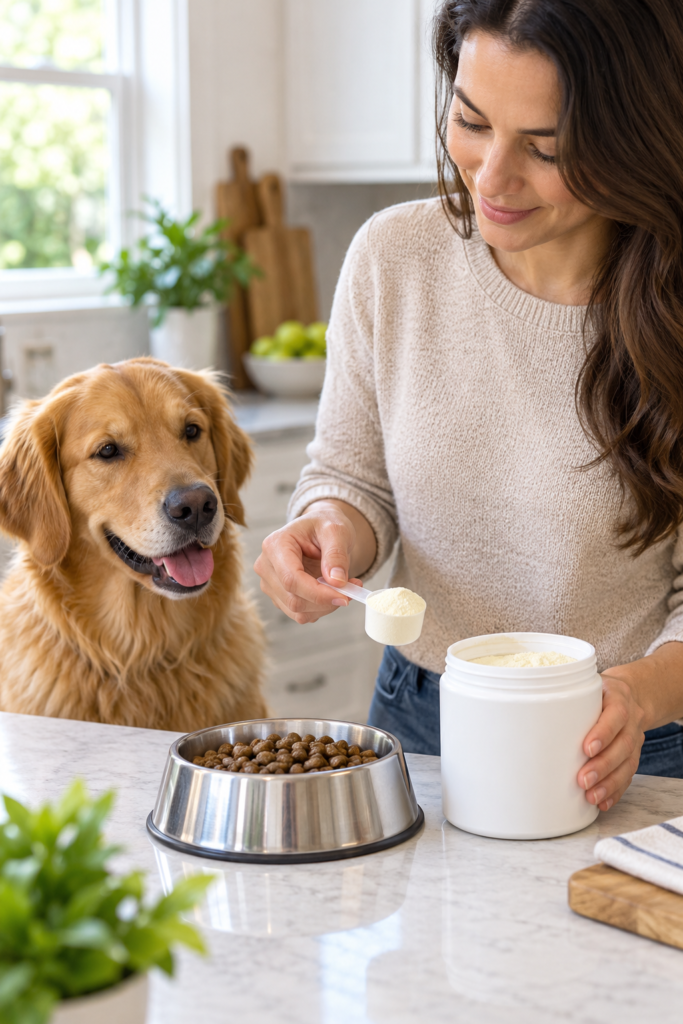
Dosage varies by product concentration, but general guidelines based on body weight are:
| Dog Size | Approx. Weight | Suggested Daily Collagen (Powder) |
|---|---|---|
| Small | Under 20 lbs | 1–2 grams |
| Medium | 20–50 lbs | 2–4 grams |
| Large | 50–90 lbs | 4–6 grams |
| Giant | 90+ lbs | 6–8 grams |
Always start with a smaller dose and gradually increase over a week to monitor how your dog responds. And of course, follow the specific product’s label instructions since concentrations vary between brands.
Natural Food Sources of Collagen for Dogs

If you’d prefer a more natural, whole-food approach, these ingredients naturally contain collagen or support the body’s own collagen production:
- Bone broth (homemade or store-bought, unsalted)
- Chicken feet (a natural source of Type II collagen)
- Fish skin (dried or freeze-dried)
- Beef tendons
- Eggshell membrane
- Pork or beef knuckle bones (raw, never cooked, to avoid splintering)
Combining whole-food sources with a high-quality supplement can offer the most complete collagen support.
Are There Any Side Effects of Collagen for Dogs?
Collagen is generally considered very safe for dogs, with minimal risk of side effects. However, a small number of dogs may experience:
- Mild digestive upset (usually resolves after reducing dosage)
- Allergic reactions (rare, and typically related to the source, e.g., fish or poultry allergies)
As with any new supplement, it’s best to introduce it gradually and consult your veterinarian first — especially if your dog has existing health conditions or is on medication.
Frequently Asked Questions (FAQ)
Q: At what age should I start giving my dog collagen? Most experts suggest introducing collagen supplementation around 5–7 years of age as a preventative measure, though it can be given earlier for active or working breeds.
Q: Can puppies take collagen supplements? Generally, puppies produce plenty of collagen naturally and may not need supplementation. Always consult your vet before giving any supplement to a growing puppy.
Q: How long does it take to see results? Most owners report noticeable improvements in coat quality within 3–4 weeks, while joint mobility benefits may take 6–8 weeks of consistent use.
Q: Is human collagen powder safe for dogs? Some human-grade unflavored collagen powders are safe in appropriate doses, but pet-specific formulas are recommended since they’re tailored to a dog’s needs and avoid harmful additives like xylitol or artificial sweeteners.
Q: Can I give my dog collagen every day? Yes, collagen is generally safe for daily long-term use when dosed appropriately for your dog’s size.
Final Thoughts
Collagen is far more than a passing wellness trend — it plays a foundational role in your dog’s joints, skin, coat, gut, and overall vitality. Whether you’re looking to help an aging dog stay mobile, support a working breed’s recovery, or simply want to give your pup a shinier coat, collagen supplementation offers a simple, natural way to support long-term health.
As always, talk to your veterinarian before starting any new supplement, especially if your dog has pre-existing health conditions. But for most healthy adult dogs, collagen can be a safe, effective, and even enjoyable addition to their daily routine (most dogs love the taste of collagen chews and broths!).
Your dog gives you unconditional love every single day — a little extra support for their joints and skin is one small way to return the favor.
Disclaimer: This article is for informational and educational purposes only and does not constitute veterinary advice. Always consult a licensed veterinarian before starting any new supplement or making changes to your dog’s diet or healthcare routine. This post contains affiliate links, and we may earn a commission from qualifying purchases at no additional cost to you.