
Disclosure: This post contains affiliate links. If you purchase through these links, we may earn a small commission at no extra cost to you. We only recommend products we genuinely believe can help cat owners solve real problems.
Disclaimer: This article is for informational purposes only. Product details and recommendations may change. For pet health concerns, consult a veterinarian.
In this guide, we’ll walk through the 10 most common cat litter box mistakes that cause cats to avoid their box, along with practical, vet-approved solutions you can start using today. Whether you’re a brand-new cat parent or you’ve had cats for years, chances are at least one of these mistakes is happening in your home right now.
Let’s dig in.
For a complete setup guide covering box size, placement, litter type, cleaning, and more, see our Cat Litter Box Setup Guide.
Why Do Cats Avoid the Litter Box in the First Place?
Cats are naturally clean animals with very specific instincts around elimination. In the wild, cats bury their waste to avoid predators and to keep their territory from smelling “compromised.” When something about the litter box environment feels wrong the smell, the texture, the location, or even the box itself a cat’s instincts tell them to look elsewhere.
Litter box avoidance is one of the top reasons cats are surrendered to shelters, which is heartbreaking because most of these issues are completely preventable. Before assuming your cat is “being bad,” it’s always smart to rule out a medical issue first (like a urinary tract infection or kidney problem) with a quick vet visit. Once health issues are ruled out, these ten mistakes are the next place to look.
Mistake #1: Not Enough Litter Boxes in the Home
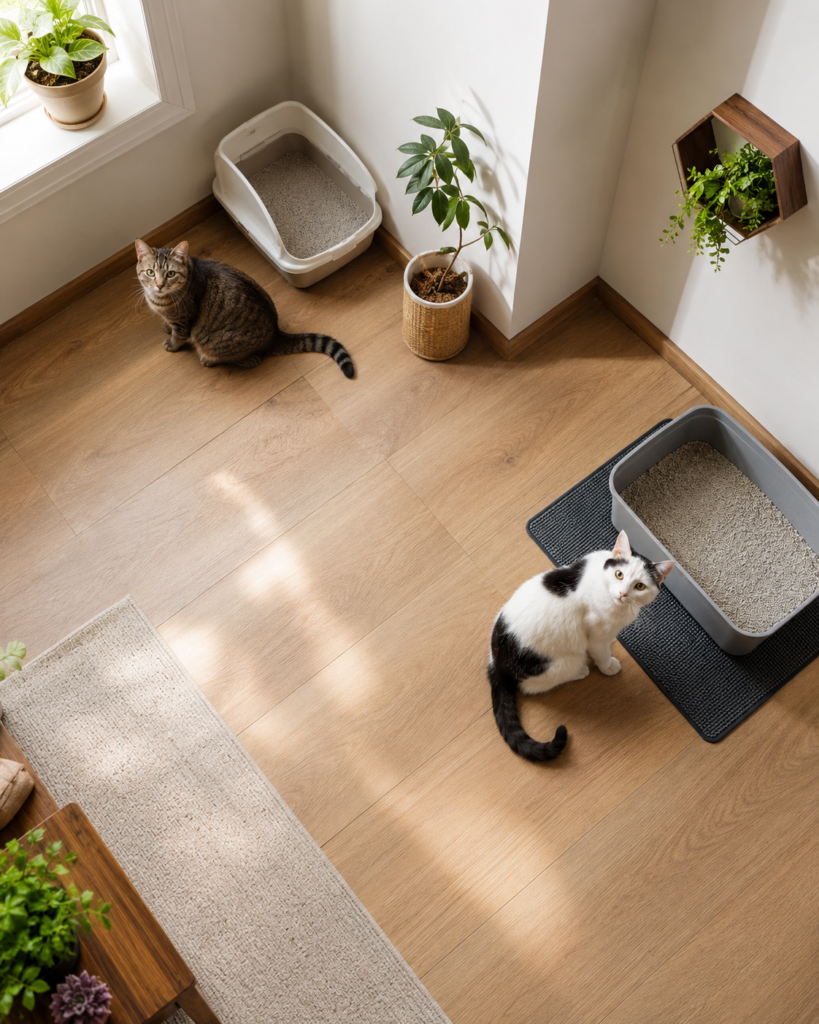
Many cat owners assume one litter box is enough, especially in single-cat households. But the general rule from veterinary behaviorists is:
Number of cats + 1 = number of litter boxes.
So if you have two cats, you should ideally have three litter boxes placed in different areas of the home. This gives cats options and prevents territorial conflicts, especially in multi-cat households where one cat may “guard” the box.
The fix: Add at least one extra box, placed in a separate location from your existing ones.
A great option for extra boxes is the spacious, easy to clean, and stylish enough to blend into your home decor.
👉https://link.amazon/B0aygAEzK
Mistake #2: Choosing the Wrong Litter Box Size
A litter box that’s too small forces your cat to stand in one spot without room to turn around, dig, or bury their waste properly. As a general guideline, the box should be at least 1.5 times the length of your cat from nose to tail base.
Larger and senior cats especially need more room, and kittens need boxes with lower sides they can easily climb into.
The fix: Size up. Bigger is almost always better when it comes to litter boxes.
Mistake #3: Using Scented or Heavily Perfumed Litter
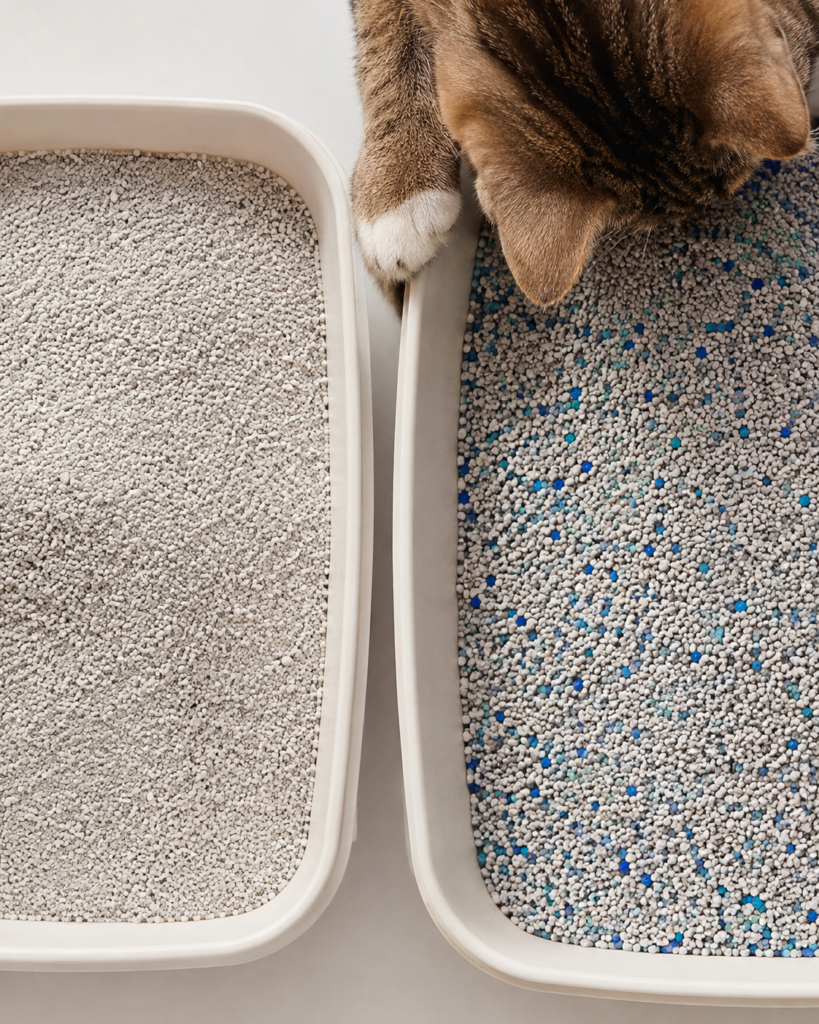
Humans love the idea of a “fresh linen” or “lavender breeze” scented litter but cats have a sense of smell up to 14 times stronger than ours. Strong fragrances that seem pleasant to us can be overwhelming and even repulsive to a cat’s sensitive nose.
Many cats will simply refuse to use a box with heavily scented litter, choosing instead to eliminate elsewhere.
The fix: Switch to unscented, natural litter and let the litter’s own cleanliness (not perfume) control odor.
👉https://link.amazon/B0dHJriKM
Mistake #4: Not Scooping Often Enough
Here’s a mistake almost every busy pet owner has made: letting the litter box go a day (or two) without scooping. To us, it might not seem like a big deal. To a cat, a dirty box is like being asked to use a public restroom that hasn’t been cleaned in a week the instinct is to avoid it entirely.
The fix: Scoop at least once, ideally twice, per day. Full litter changes should happen weekly for clumping litter, or more often depending on litter type and number of cats.
Mistake #5: Placing the Litter Box in a Noisy or High-Traffic Area
Would you want to use the bathroom next to a washing machine mid-spin cycle, or in a hallway where people constantly walk by? Cats feel the same way. Loud appliances, foot traffic, or proximity to a noisy furnace can all make a cat anxious about using the box.
The fix: Place litter boxes in quiet, low-traffic areas with at least two accessible exits, so your cat never feels “trapped.”
👉https://link.amazon/B0977qbwx
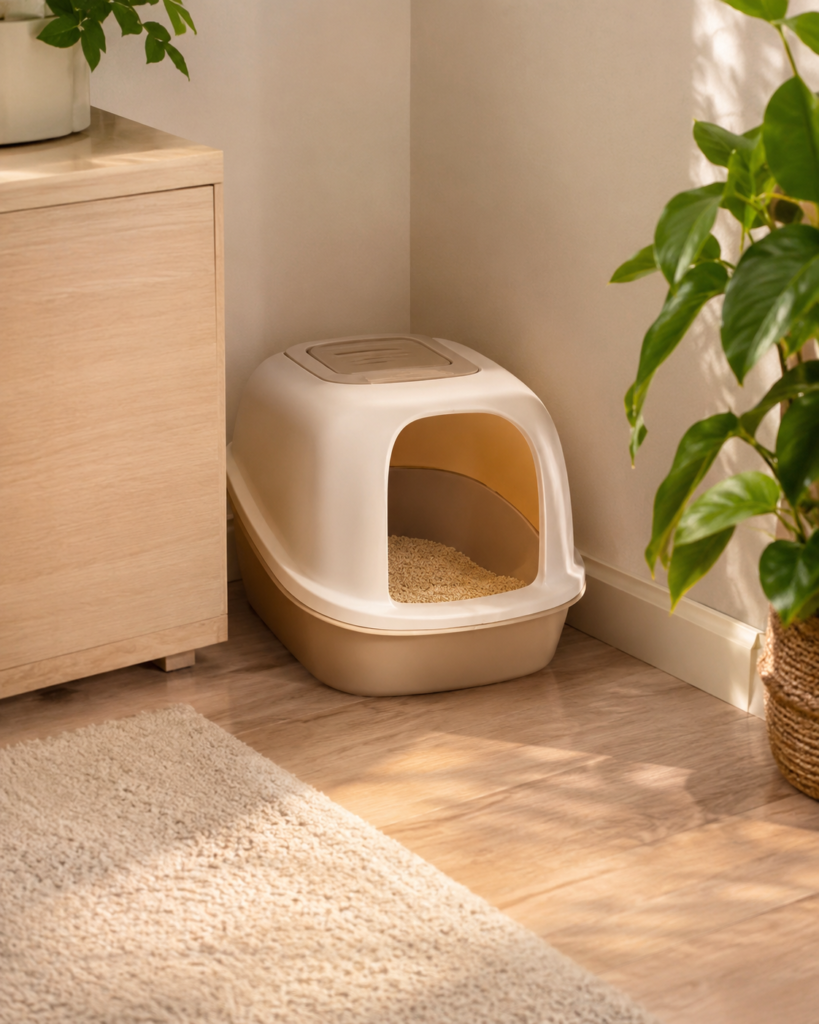
Mistake #6: Using a Covered (Hooded) Litter Box
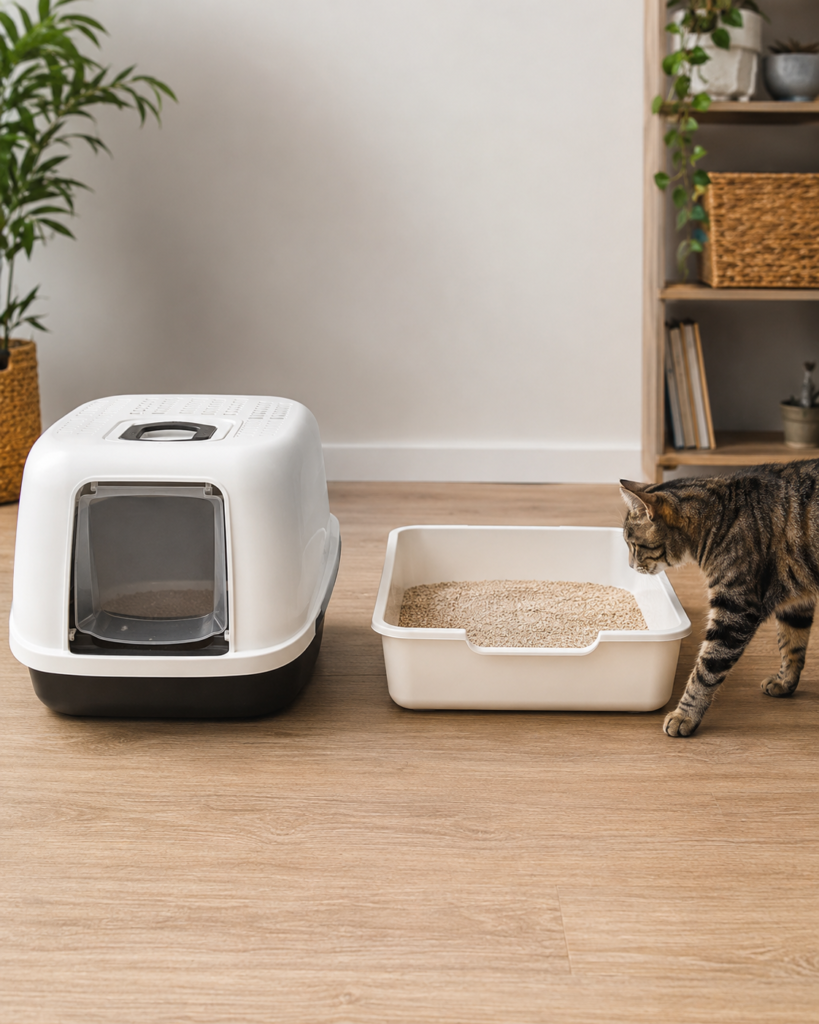
Covered litter boxes are popular because they hide the mess and trap odor but many cats actually dislike them. Hoods trap smell inside the box (right where your cat’s nose is), can make cats feel trapped or ambushed by other pets, and often don’t allow enough room to turn around comfortably.
The fix: Try switching to an open litter box and see if your cat’s usage improves. Some cats do prefer covered boxes, so it’s worth testing both if you’re unsure.
👉https://link.amazon/B0ePcQQbS
Mistake #7: Switching Litter Brands Too Quickly
Cats are creatures of habit, and their paws are surprisingly sensitive to texture. Switching abruptly from a soft clumping clay litter to a rough pellet-style litter (or vice versa) can confuse or even hurt your cat’s paws, leading to avoidance.
The fix: Transition litter gradually over 7–10 days by mixing increasing amounts of the new litter with the old.
Not sure which litter type to choose? See our Cat Litter Types Compared guide to compare clumping, lightweight, crystal, and natural options.
Mistake #8: Not Cleaning the Box Itself (Not Just the Litter)
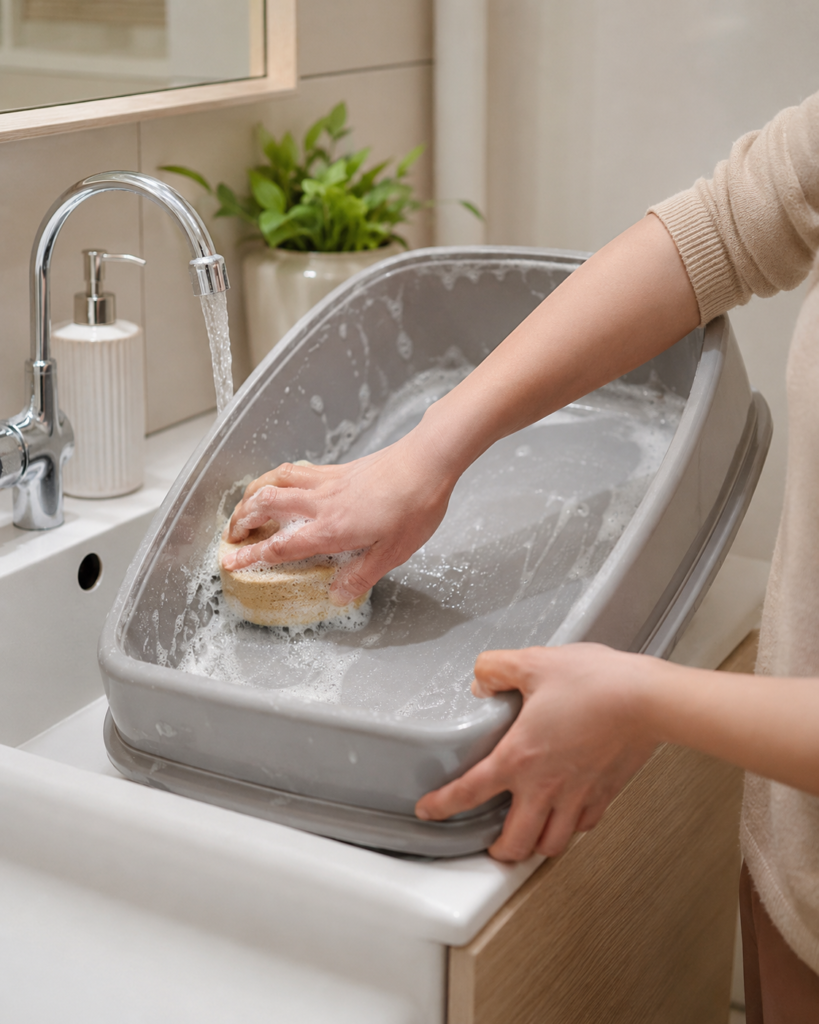
Even with regular scooping, plastic litter boxes absorb odors over time especially in the scratches and grooves that build up from your cat’s claws. These trapped odors can make even a freshly scooped box smell “off” to a cat’s sensitive nose.
The fix: Wash the litter box with mild, unscented soap and warm water every 2–4 weeks. Avoid harsh chemical cleaners, which leave a strong scent cats dislike. Replace plastic boxes every 1–2 years since deep scratches can’t be fully cleaned.
Mistake #9: Sudden Changes Without Warning
Cats thrive on routine, and sudden changes a new litter type, a new box, a moved location, or even a new brand of scoop can cause stress-related avoidance. This is especially true during other life changes like moving homes, a new pet, or a new baby.
The fix: Introduce changes gradually, and try to keep the litter box in the same spot during other major household transitions. If you must move the box, do it in small increments over several days rather than all at once.
Mistake #10: Ignoring Litter Depth (Too Much or Too Little)
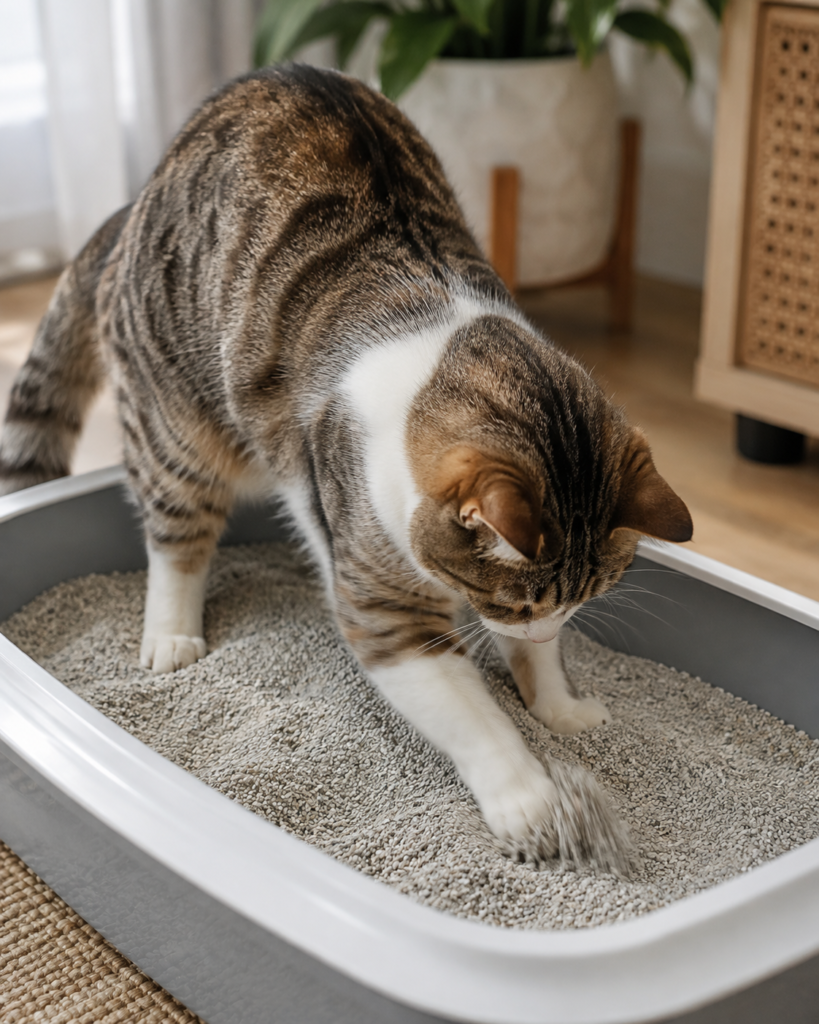
It’s easy to assume “more litter is better,” but most cats actually prefer about 2–3 inches of litter — enough to dig and bury waste, but not so much that it feels unstable underfoot. Too little litter, on the other hand, doesn’t allow proper digging or covering behavior.
The fix: Keep litter at a consistent 2–3 inch depth, and top off (don’t just add on top of dirty litter) regularly.
Bonus Tip: Rule Out Medical Causes First

If you’ve addressed all of the mistakes above and your cat is still avoiding the litter box, it’s important to schedule a vet visit. Sudden litter box avoidance is one of the most common early signs of:
- Urinary tract infections (UTIs)
- Bladder stones or crystals
- Kidney disease
- Arthritis (making it painful to climb into the box)
- Diabetes
Cats are experts at hiding pain, so behavior changes like this are often the first — and sometimes only — clue that something medical is going on.
Quick Recap: The 10 Litter Box Mistakes to Avoid
- Not having enough litter boxes
- Choosing a box that’s too small
- Using strongly scented litter
- Not scooping often enough
- Placing the box in a noisy, high-traffic area
- Using a covered box your cat dislikes
- Switching litter brands too abruptly
- Neglecting to clean the box itself
- Making sudden changes without transition time
- Getting the litter depth wrong
Small adjustments in these areas can make a massive difference in your cat’s comfort and in your carpets staying clean.
Frequently Asked Questions
Why did my cat suddenly stop using the litter box? Sudden avoidance is often linked to either a medical issue (like a UTI) or a recent change in the environment, such as a new litter brand, a dirtier box, or added household stress. Start with a vet visit to rule out health causes, then work through the environmental factors above.
How many litter boxes should I have for two cats? Following the “number of cats plus one” rule, two cats should ideally have three litter boxes placed in separate locations around the home.
Do cats prefer covered or uncovered litter boxes? Most cats prefer open, uncovered boxes because they trap less odor and don’t make cats feel cornered. However, some cats do prefer the privacy of a covered box, so it can help to test both.
How often should I completely change the litter? For clumping litter, a full change is generally recommended weekly, with daily or twice-daily scooping in between. Non-clumping litter often needs more frequent full changes.
Can stress cause a cat to avoid the litter box? Yes. Stress from moving, new pets, new family members, or even rearranged furniture can cause a cat to avoid the litter box, sometimes referred to as “litter box aversion.” Calming aids and consistent routines can help.
Final Thoughts
Litter box problems can feel overwhelming, but they’re almost always solvable once you understand what’s driving the behavior. Start by ruling out medical issues with your vet, then work through this list one mistake at a time. Most cat owners see noticeable improvement within just a week or two of making these small changes.
Your cat isn’t trying to make your life difficult they’re just trying to tell you something isn’t right. Listen to those signals, make the right adjustments, and you’ll both be much happier.
Have you dealt with litter box issues before? What finally solved the problem for your cat? Share your experience in the comments below it might help another cat owner going through the same thing.