Disclaimer: This article is for informational purposes only and is not a substitute for professional veterinary advice. Consult your veterinarian before changing your dog’s diet or if your dog has allergies, health conditions, or special dietary needs.
If you’ve ever tried to teach your dog to sit, stay, or come when called, you already know one simple truth: the right treat can make or break your training session.
A dog that’s bored by a bland treat won’t listen. A dog that’s obsessed with a high-value treat will hang on your every word. The difference isn’t luck — it’s choosing training treats that are small, tasty, healthy, and easy to use quickly, over and over again.
In this guide, we’ll walk through everything you need to know about dog training treats: what makes a treat “training-friendly,” the different types available, how to pick the best one for your dog’s needs, and our top recommendations you can buy today. Whether you’re raising a new puppy, working with a rescue dog, or polishing advanced obedience skills, this guide has you covered — no matter where in the world you’re reading from.
Table of Contents
- Why Training Treats Matter More Than Regular Treats
- What Makes a Great Dog Training Treat
- Types of Dog Training Treats
- Top Dog Training Treats Worth Buying
- How to Use Training Treats Effectively
- Homemade Training Treat Options
- Common Mistakes Dog Owners Make
- How to Choose Based on Your Dog’s Needs
- Frequently Asked Questions
- Final Thoughts
1. Why Training Treats Matter More Than Regular Treats
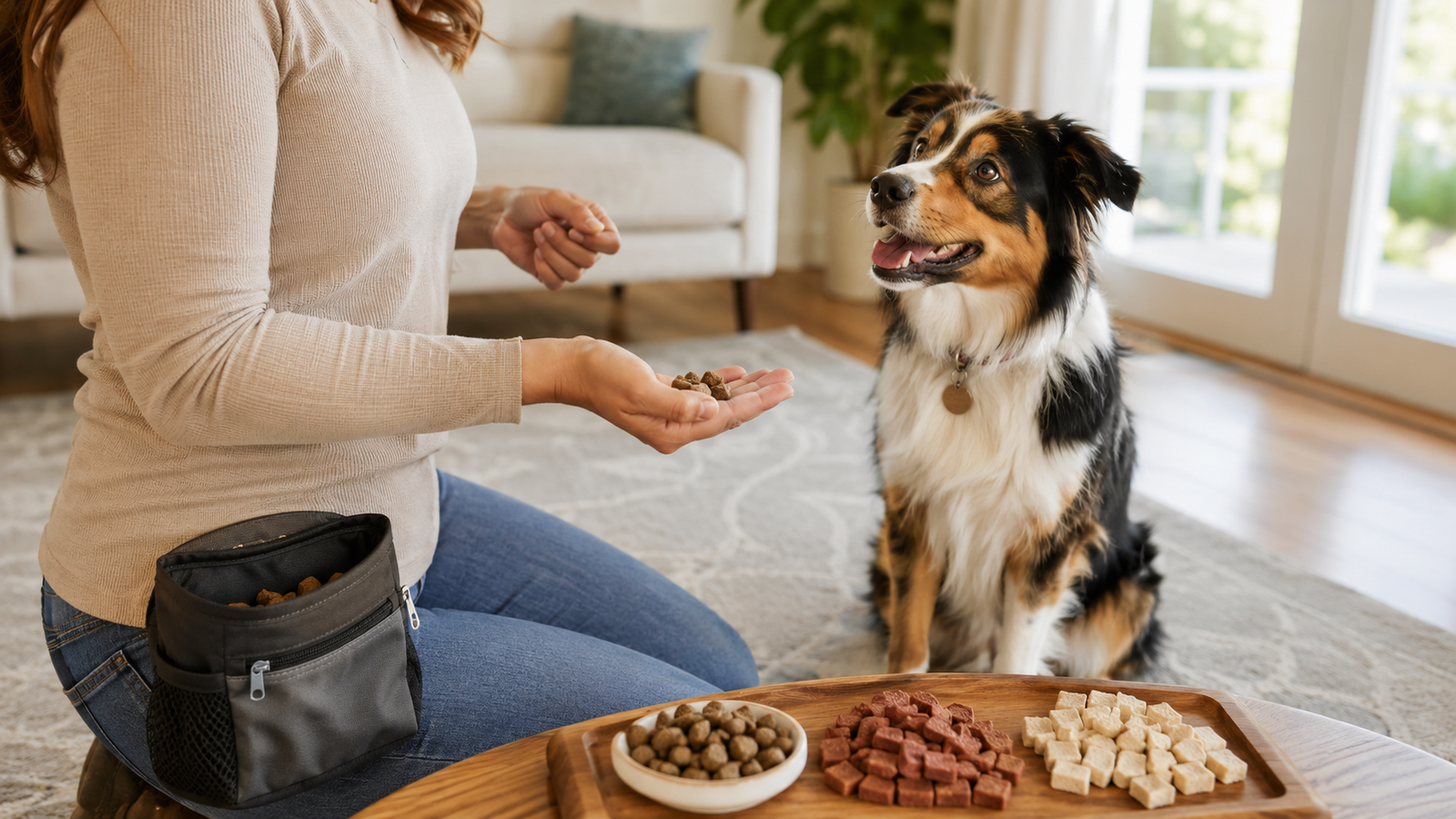
Not all dog treats are created equal, and definitely not all treats are suited for training. A large biscuit that takes 30 seconds to chew is useless in a training session where you need to reward your dog within 1–2 seconds of the correct behavior. Timing is everything in positive reinforcement training, and treats need to match that pace.
Good training treats are:
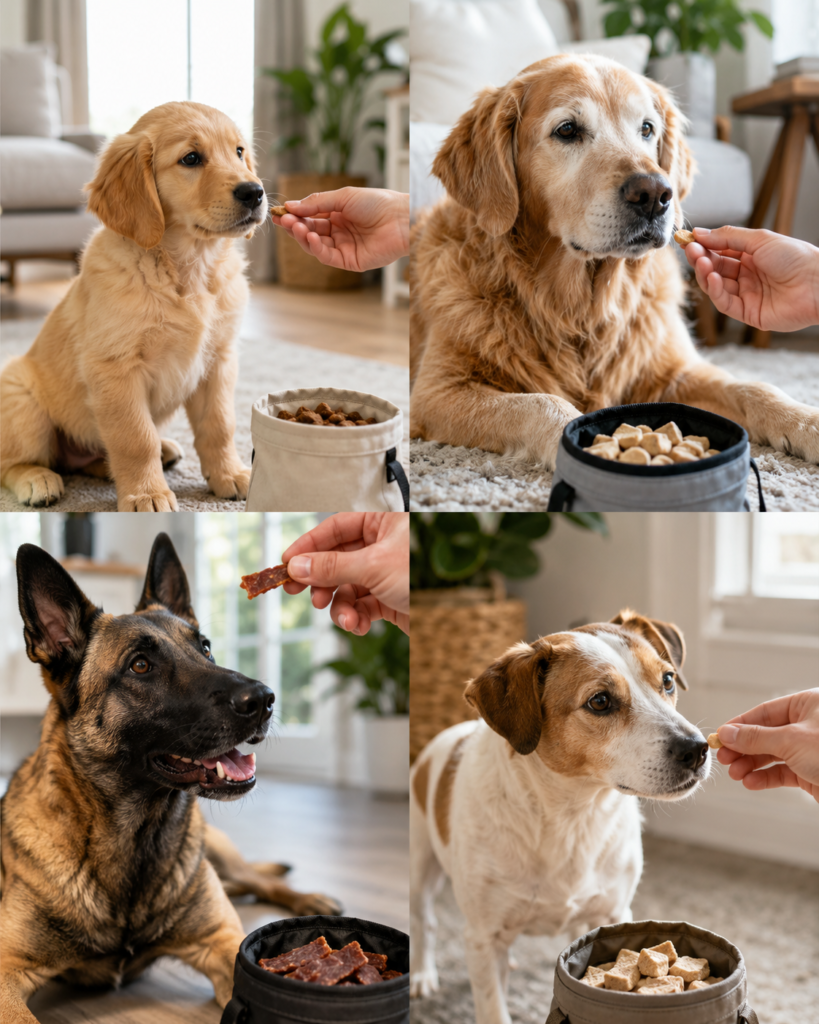
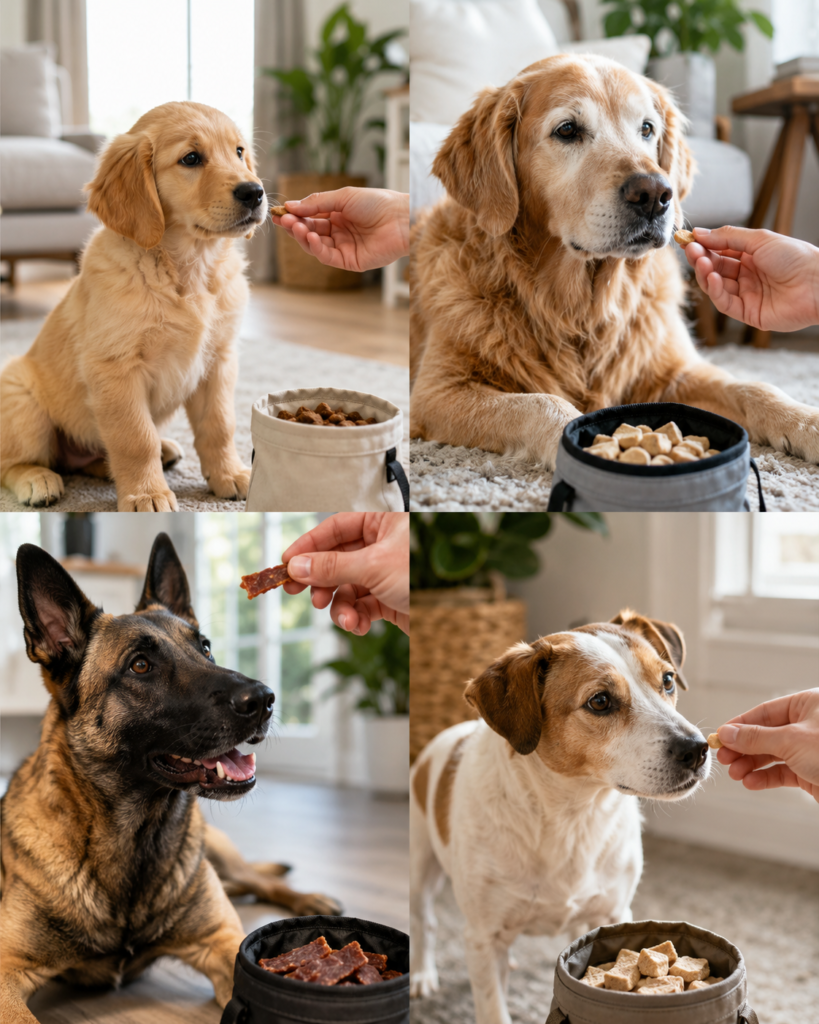
- Small — so your dog can eat them in one bite without pausing the session
- Soft or semi-moist — so there’s no chewing delay
- High-value — something your dog doesn’t get every day, so it feels special
- Low-calorie — because you’ll be giving out dozens per session
- Easy to carry — treat pouches, pockets, or bags shouldn’t get messy
If you’re using the same kibble your dog eats every day as a “reward,” you’re missing out on the psychological power of a genuinely exciting treat. Dogs, like people, respond better to rewards that feel special.
2. What Makes a Great Dog Training Treat
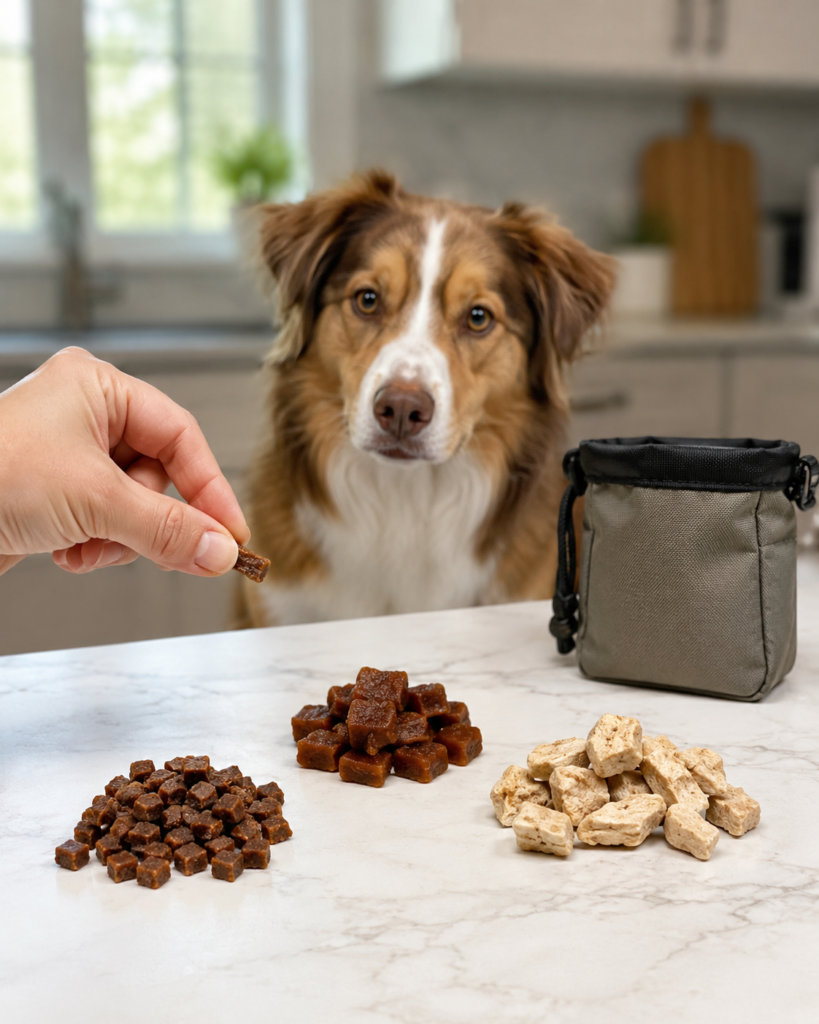
Before buying anything, keep these five factors in mind:
Size
Treats should be pea-sized or smaller for small to medium dogs, and only slightly larger for big breeds. You want quantity over size — many small rewards beat a few big ones.
Texture
Soft, chewy treats work best because dogs can swallow them almost instantly. Crunchy treats are fine for casual rewards but slow things down during focused training.
Smell
Dogs are led by their noses. Strong-smelling treats (think freeze-dried liver or real meat treats) grab attention faster than bland, low-scent biscuits.
Ingredients
Look for treats with recognizable, natural ingredients — real meat, limited fillers, no artificial colors, and no harmful preservatives.
Calorie Count
Since you may give 20–40 treats in a single session, low-calorie options prevent unwanted weight gain. Many trainers recommend treats under 3–5 calories each.
3. Types of Dog Training Treats
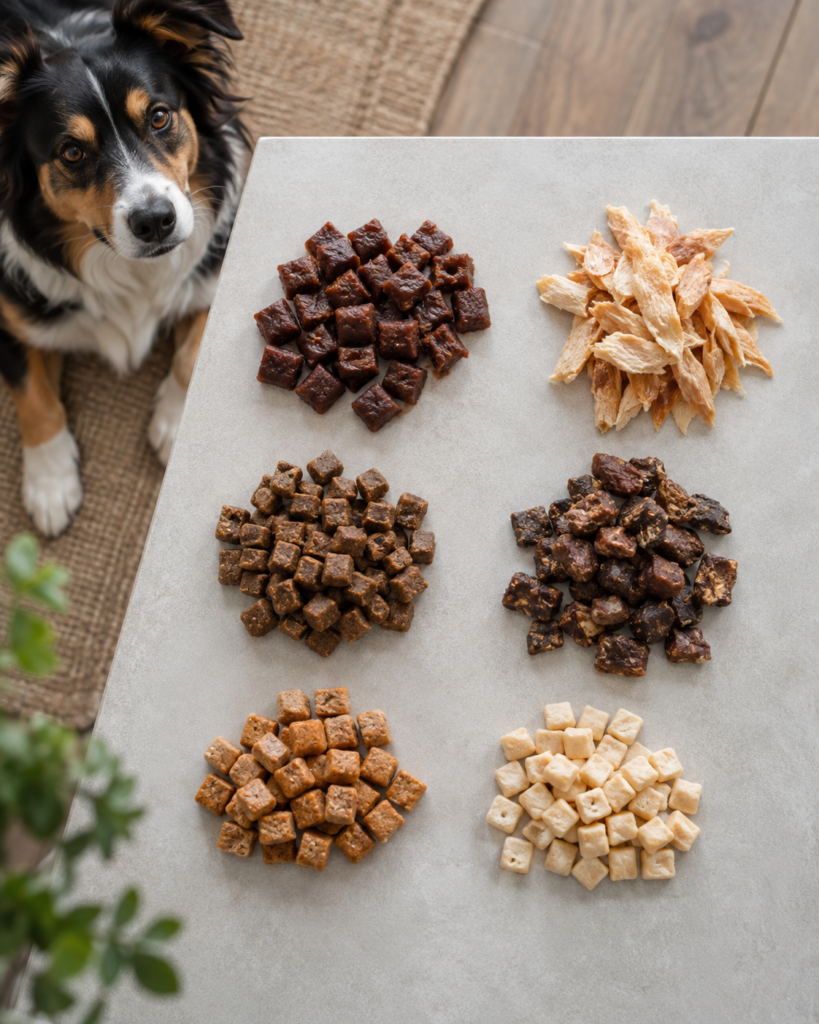
Let’s break down the major categories so you know what fits your dog and your training goals.
Soft & Chewy Treats
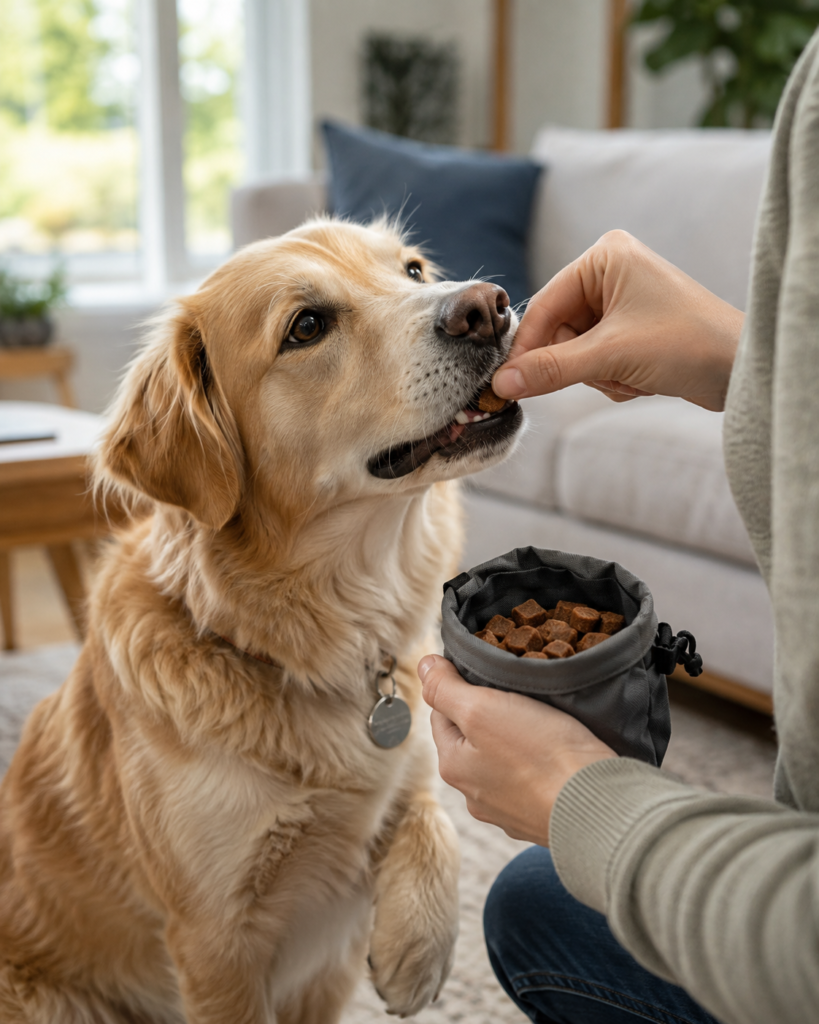
These are the gold standard for training. They’re easy to break into smaller pieces, and dogs love the texture.
👉 Affiliate Link –https://link.amazon/B08vE6PnZ
Freeze-Dried Meat Treats
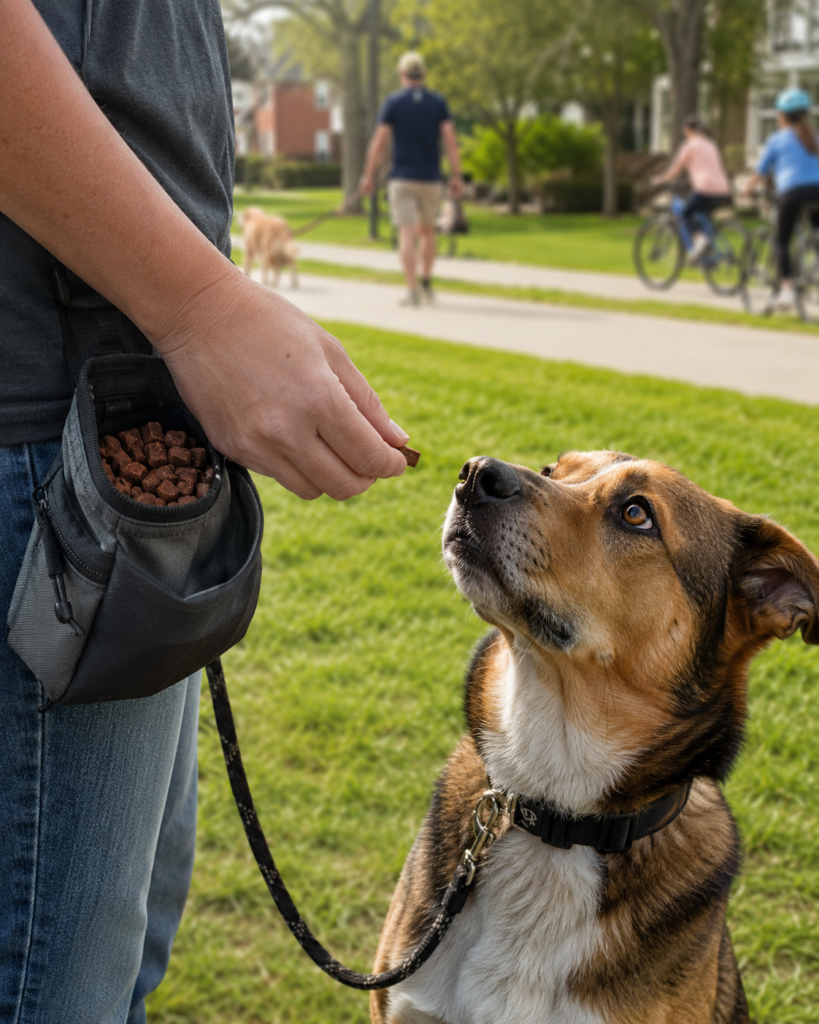
Made from a single ingredient like chicken, beef liver, or salmon, freeze-dried treats are extremely high-value and often used for advanced or distraction-heavy training.
👉 Affiliate Link –https://link.amazon/B00lr21M6
Low-Calorie Training Treats
Perfect for dogs on a diet or in long training sessions where treat volume adds up quickly.
👉 Affiliate Link –https://link.amazon/B01CYzgQ8
Natural & Organic Treats
Great for owners who want minimal processing and clean ingredient labels.
Hypoallergenic & Limited-Ingredient Treats
Ideal for dogs with food sensitivities, allergies, or digestive issues.
Puppy-Specific Training Treats
Formulated to be gentle on developing digestive systems while still being irresistible.
Dental & Functional Training Treats
Some treats double as dental chews or joint-support snacks, combining training rewards with health benefits.
👉 Affiliate Link –https://link.amazon/B0eh4OGGc
Treat Pouches & Dispensers
Not a treat itself, but essential gear — a good treat pouch keeps rewards accessible and mess-free during sessions.
4. Top Dog Training Treats Worth Buying
Here’s a quick-reference roundup of treat categories and what they’re best suited for. Replace the placeholders below with your own affiliate links for a ready-to-publish, monetized post.
| Treat Type | Best For | Calorie Range | Link |
|---|---|---|---|
| Soft & Chewy Bites | Everyday training | Low-Medium | (Affiliate Link Placeholder #1) |
| Freeze-Dried Liver/Meat | High-distraction environments | Low | (Affiliate Link Placeholder #2) |
| Low-Calorie Bits | Overweight or senior dogs | Very Low | (Affiliate Link Placeholder #3) |
| Organic/Natural | Health-conscious owners | Medium | (Affiliate Link Placeholder #4) |
| Limited-Ingredient | Dogs with allergies | Low-Medium | (Affiliate Link Placeholder #5) |
| Puppy Training Treats | Puppies 8 weeks+ | Low | (Affiliate Link Placeholder #6) |
| Dental Training Chews | Dogs needing oral care | Medium | (Affiliate Link Placeholder #7) |
| Treat Pouch/Dispenser | All training sessions | N/A | (Affiliate Link Placeholder #8) |
Tip: Rotate between 2–3 treat types so your dog doesn’t get bored of the same flavor. Variety keeps motivation high, especially during longer training programs.
5. How to Use Training Treats Effectively
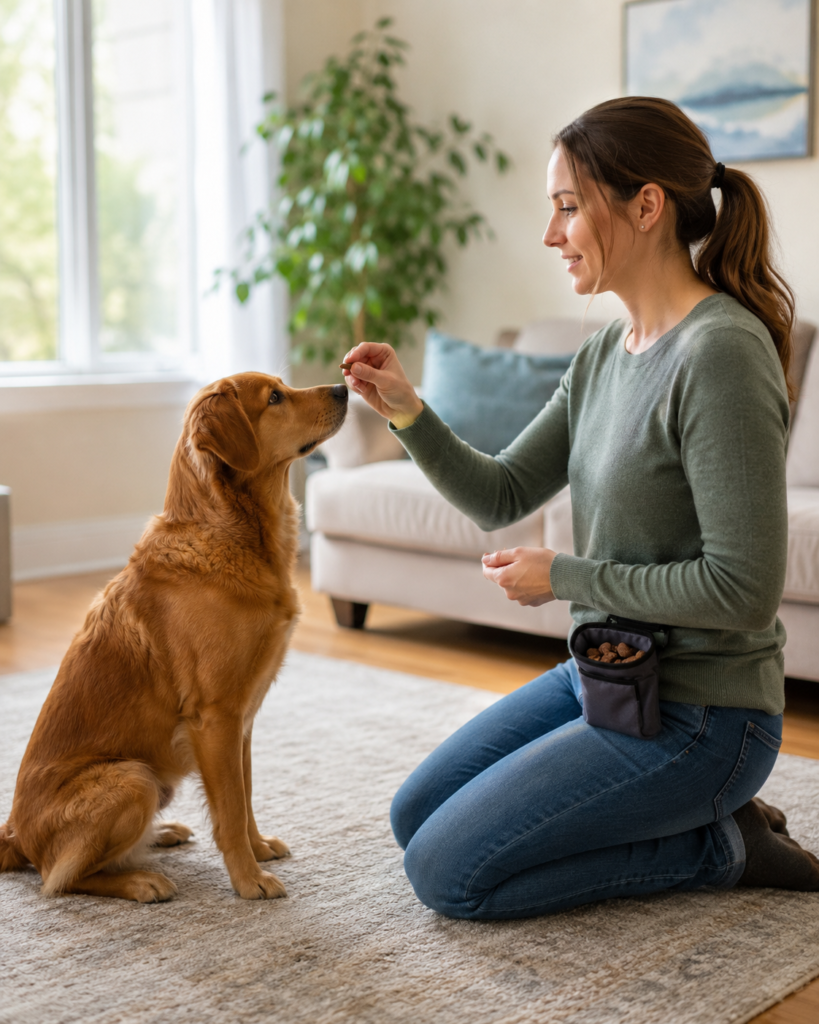
Buying the right treat is only half the battle — how you use it matters just as much.
Timing Is Everything
Reward the behavior the instant it happens. A delay of even 3–4 seconds can confuse your dog about what earned the reward.
Use Tiny Pieces
Break treats into pea-sized pieces, especially for small dogs or puppies. This lets you do more repetitions without overfeeding.
Match Value to Difficulty
Use everyday treats for simple, well-known commands, and save high-value treats (like freeze-dried meat) for new skills or distracting environments like parks or busy streets.
Combine with Verbal Praise
Treats work best when paired with a happy tone of voice or a clicker. This builds a stronger positive association over time.
Gradually Reduce Treats
As your dog masters a command, slowly shift to intermittent rewards — treats every 2nd or 3rd success instead of every time. This maintains long-term motivation without treat dependency.
Watch Total Calories
Training treats should make up no more than 10% of your dog’s daily calorie intake. If you’re doing multiple sessions a day, consider reducing regular meal portions slightly to balance things out.
6. Homemade Training Treat Options
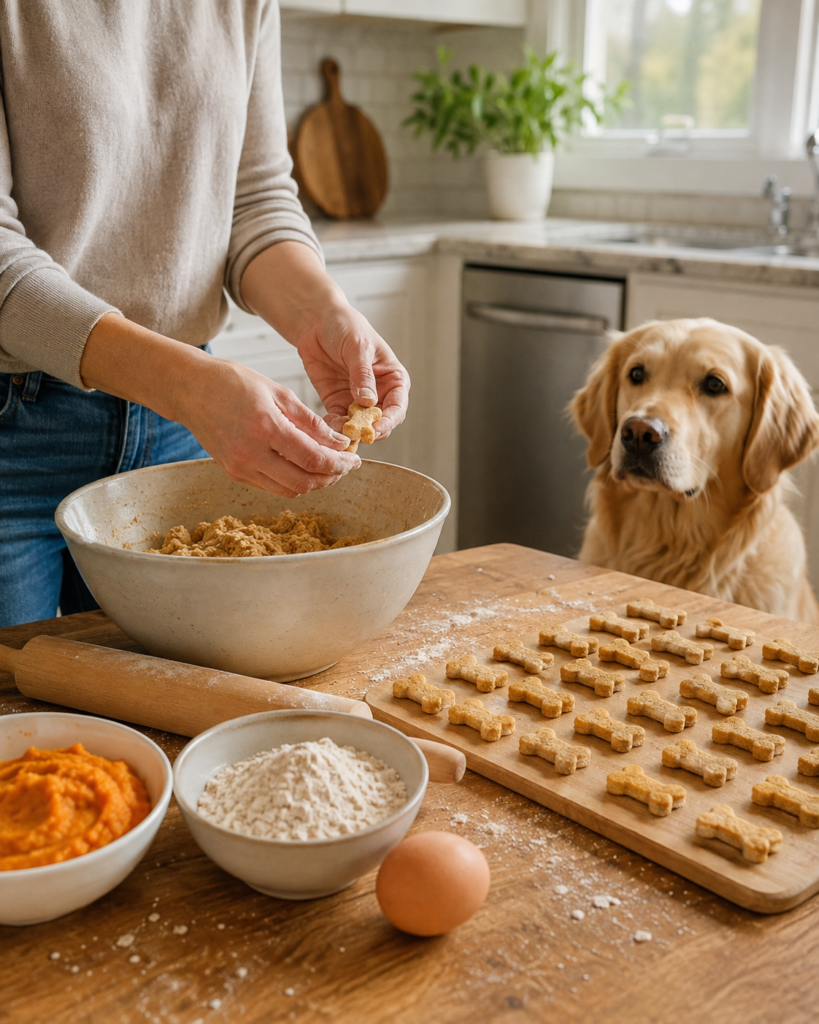
If you prefer a budget-friendly or fully natural option, homemade treats are a great alternative. Here’s a simple, vet-friendly base recipe many owners use:
Simple 3-Ingredient Training Treats
- 1 cup pureed pumpkin (plain, unsweetened)
- 2 cups oat flour
- 1 egg
Mix into a dough, roll thin, cut into small pieces, and bake at 175°C (350°F) for 20 minutes until firm. Store in the fridge for up to a week.
Homemade treats let you control every ingredient, which is especially useful for dogs with allergies or sensitive stomachs. That said, store-bought training treats are often more convenient, especially for pet owners who train daily or need something shelf-stable to carry around.
7. Common Mistakes Dog Owners Make
Even experienced dog owners fall into these traps:
- Using treats that are too big — this slows down training and adds unnecessary calories
- Treating too late — rewarding after your dog has already moved on to another behavior
- Relying on treats forever — without fading them out, dogs may only listen when food is visible
- Choosing treats based on price alone — cheap treats often use fillers your dog won’t find as motivating
- Ignoring allergies — always check the ingredient label, especially for common allergens like wheat, soy, or specific proteins
- Overfeeding during training — leading to unwanted weight gain over time
Avoiding these mistakes will make your training sessions faster, cleaner, and more effective.
8. How to Choose Based on Your Dog’s Needs
| Dog Profile | Recommended Treat Type |
|---|---|
| Puppy (under 6 months) | Small, soft, easily digestible treats |
| Senior dog | Low-calorie, joint-support treats |
| Overweight dog | Very low-calorie or vegetable-based treats |
| Dog with allergies | Limited-ingredient or single-protein treats |
| High-energy/working breed | High-value freeze-dried meat treats |
| Picky eater | Strong-smelling, real-meat treats |
Matching the treat to your dog’s specific situation ensures better results and long-term health.
9. Frequently Asked Questions
Q: How many training treats can I give my dog per day? A: As a general rule, treats should not exceed 10% of your dog’s daily calorie needs. For most sessions, 15–30 tiny treats spread across the day is safe for average-sized dogs — but always check with your vet for dogs with health conditions.
Q: What’s the best treat for puppies just starting training? A: Soft, small, easily digestible treats work best for puppies. Avoid anything hard or large that could be a choking hazard.
Q: Can I use human food as training treats? A: Some human foods like small pieces of cooked chicken, plain carrots, or blueberries are safe in moderation. Avoid anything containing onion, garlic, chocolate, grapes, or xylitol, as these are toxic to dogs.
Q: How do I stop my dog from becoming treat-dependent? A: Gradually reduce the frequency of treats once a command is learned, replacing them with praise, play, or affection. This is called “intermittent reinforcement” and helps maintain long-term obedience.
Q: Are freeze-dried treats safe for daily training? A: Yes, in moderation. They’re often low in calories and made from single-ingredient proteins, making them a healthy option for frequent training, but always check the calorie count per piece.
Q: What treats work best for distraction training (parks, other dogs, etc.)? A: High-value treats like freeze-dried liver or real meat treats tend to work best in distracting environments because their strong smell and taste outcompete other stimuli.
10. Final Thoughts
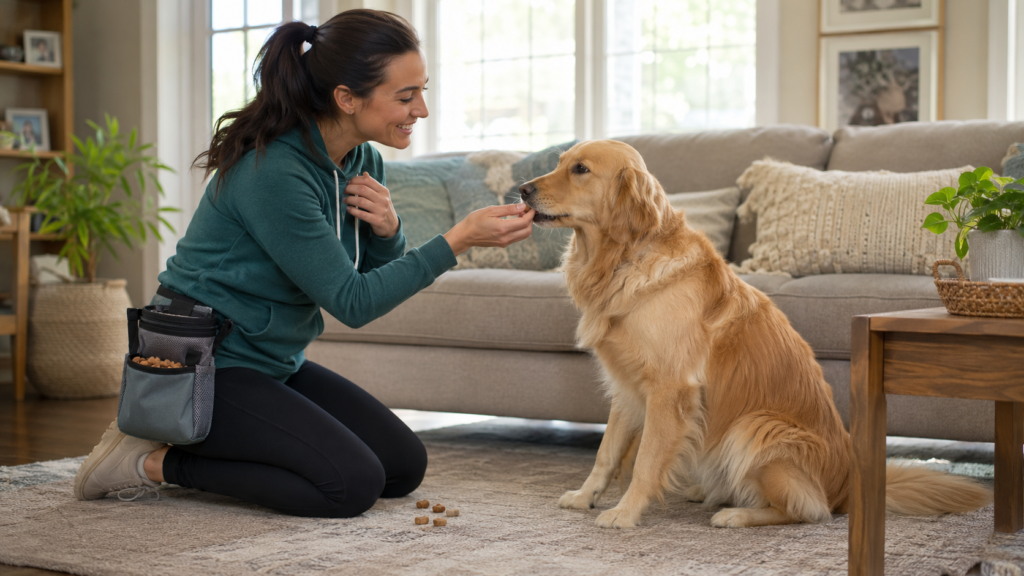
Choosing the right dog training treat isn’t just about taste — it’s about setting your dog up for success. Small, soft, high-value, and low-calorie treats make training faster, more enjoyable, and more effective for both you and your dog. Whether you go with soft chewy bites, freeze-dried meat, or a natural homemade recipe, consistency and good timing will always matter more than the specific brand you choose.
Start with one or two treat types from the categories above, watch how your dog responds, and adjust as needed. With the right treats in hand, you’ll find training sessions become something both you and your dog genuinely look forward to.
Disclosure: This post may contain affiliate links. If you purchase through these links, we may earn a small commission at no extra cost to you. This helps support our content and allows us to keep providing free, helpful pet care guides.