
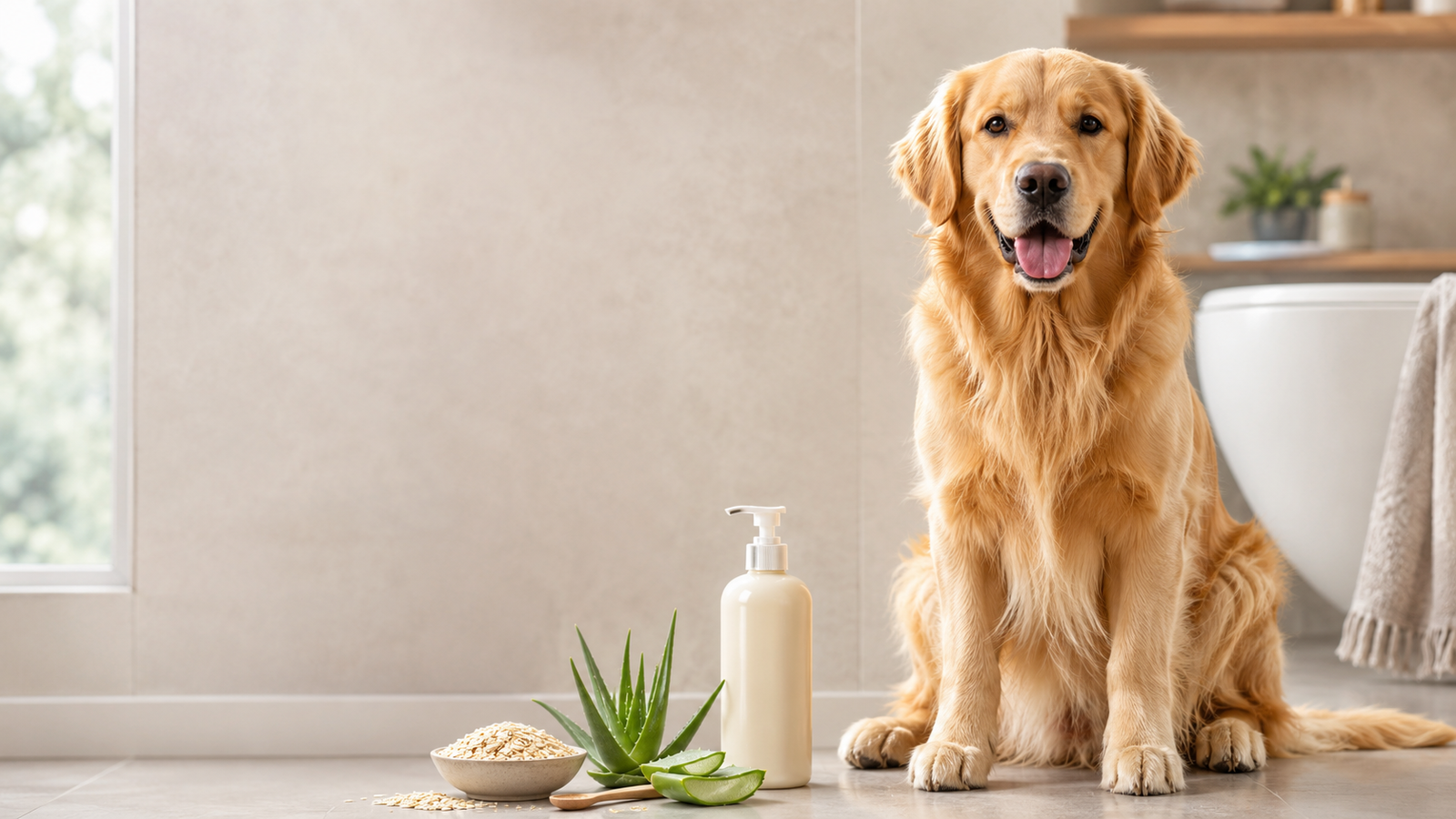
If your dog scratches constantly, has red patches, flaky skin, or seems uncomfortable after every bath, the shampoo you’re using might be part of the problem. Many popular dog shampoos are loaded with harsh detergents, artificial fragrances, and drying alcohols that strip natural oils and leave sensitive skin worse than before.
The good news? The right shampoo can make a huge difference. In this guide, we’ll walk through everything you need to know about choosing the best dog shampoo for sensitive skin — from the science of canine skin sensitivity to our top product picks, ingredient red flags, and step-by-step bathing tips that actually soothe irritation instead of causing it.
Whether you have a Golden Retriever with seasonal allergies, a Frenchie with folds prone to irritation, or a rescue pup with unknown skin issues, this guide is for you — no matter where in the world you and your furry friend call home.
Disclosure: This post contains affiliate links. If you purchase through these links, we may earn a small commission at no extra cost to you. We only recommend products we believe can genuinely help.
Table of Contents
- What Causes Sensitive Skin in Dogs?
- Signs Your Dog Has Sensitive Skin
- What to Look for in a Shampoo for Sensitive Skin
- Ingredients to Avoid
- Top 8+ Best Dog Shampoos for Sensitive Skin
- How to Bathe a Dog with Sensitive Skin (Step-by-Step)
- Home Care Tips Between Baths
- Frequently Asked Questions
- Final Thoughts
1. What Causes Sensitive Skin in Dogs?
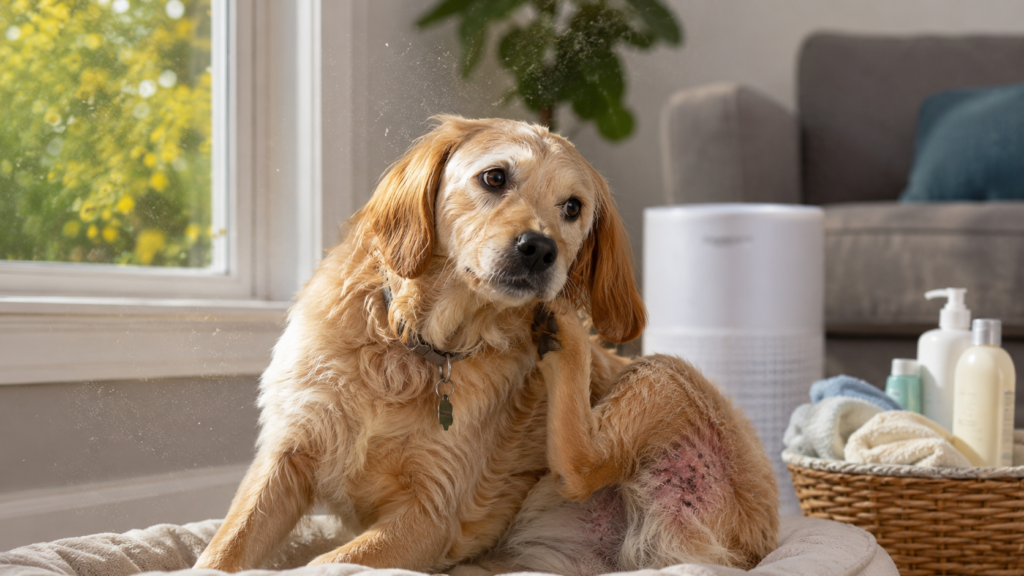
Sensitive skin in dogs isn’t just one condition — it’s a symptom that can stem from several underlying causes. Understanding the root cause helps you choose the right shampoo and care routine.
Common causes include:
- Allergies – Environmental allergens (pollen, dust mites, mold) or food allergies can trigger skin flare-ups.
- Atopic dermatitis – A chronic inflammatory skin condition common in breeds like Bulldogs, Labradors, and West Highland Terriers.
- Dry skin/climate – Cold, dry winters or overly hot, humid summers can affect the skin barrier.
- Over-bathing – Bathing too often (or using harsh shampoos) strips natural oils, leading to dryness and irritation.
- Parasites – Fleas, mites, or ticks often cause intense itching and secondary skin irritation.
- Hormonal imbalances – Conditions like hypothyroidism can also manifest as skin issues.
- Breed predisposition – Breeds with skin folds (Shar-Peis, Bulldogs, Pugs) or short coats are often more prone to sensitivity.
If your dog’s skin issues persist despite switching shampoos, it’s always a good idea to consult your veterinarian to rule out underlying medical conditions.
2. Signs Your Dog Has Sensitive Skin
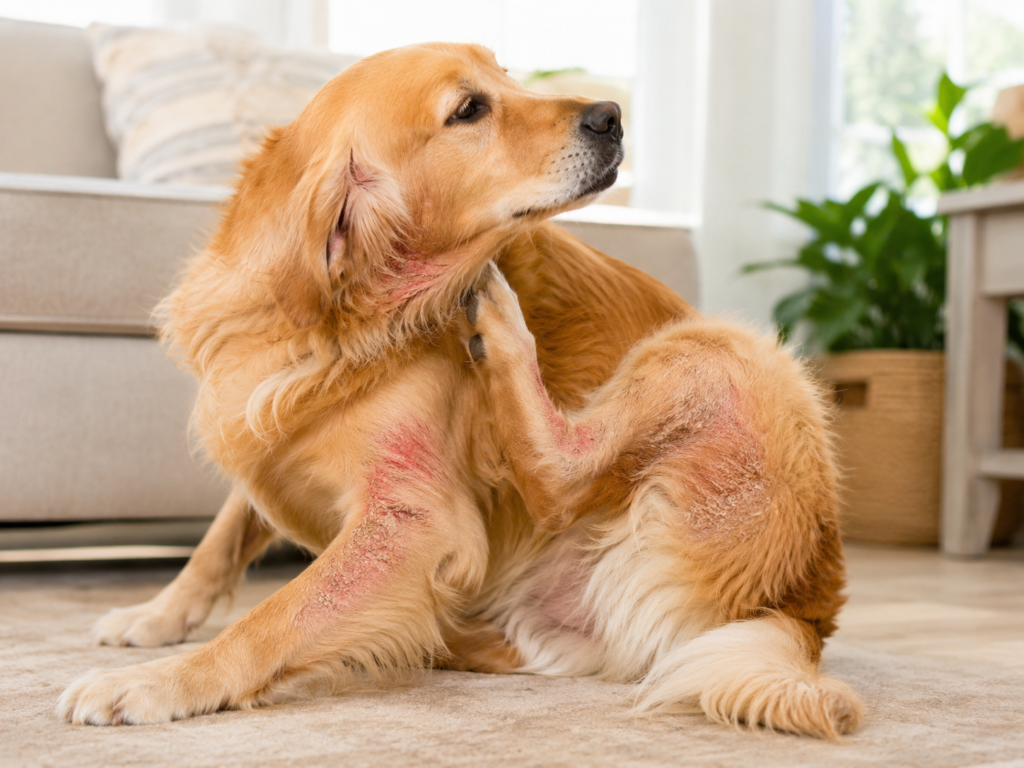
Before choosing a shampoo, it helps to confirm what you’re dealing with. Watch for:
- Frequent scratching, licking, or chewing at the skin
- Redness or inflamed patches
- Flaky, dry, or scaly skin
- Bumps, hives, or hot spots
- Dull or thinning coat
- Unpleasant odor even after bathing
- Visible discomfort during grooming or petting
If you notice several of these signs, a gentle, hypoallergenic shampoo formulated specifically for sensitive skin should be your next step.
3. What to Look for in a Shampoo for Sensitive Skin
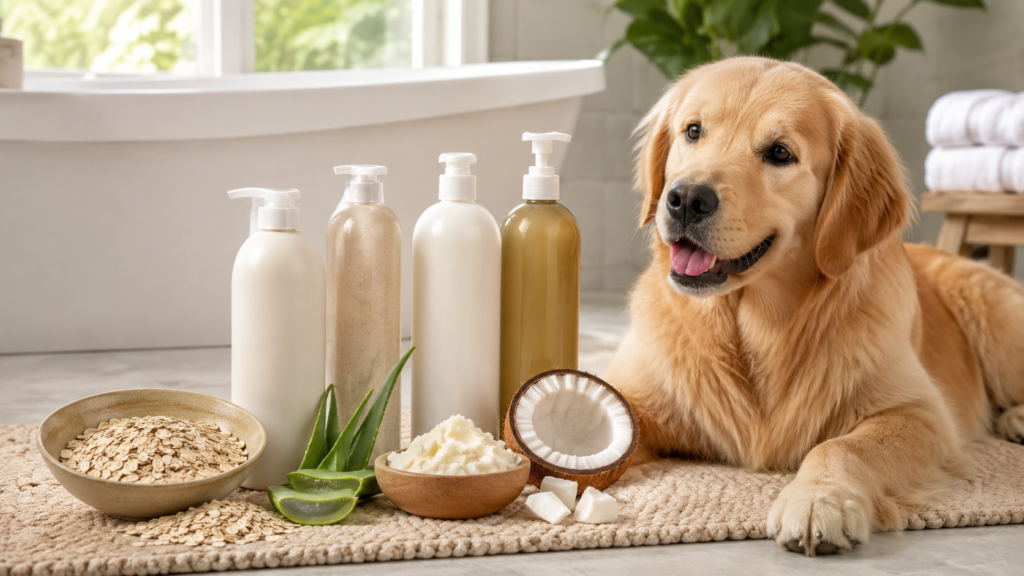
Not all “sensitive skin” shampoos are created equal. Here’s what actually matters:
###✅ Hypoallergenic Formula Look for shampoos specifically labeled hypoallergenic, meaning they’re formulated to minimize allergic reactions.
✅ Soap-Free and Sulfate-Free
Sulfates (like sodium lauryl sulfate) create lather but are notorious for drying out skin. Soap-free formulas are gentler on the skin barrier.
✅ Oatmeal-Based Formulas
Colloidal oatmeal is one of the most trusted natural ingredients for soothing itchy, inflamed skin. It has anti-inflammatory and moisturizing properties.
✅ Balanced pH
Dog skin has a different pH than human skin. Using a shampoo formulated specifically for dogs (with a balanced pH of around 6.5–7.5) helps maintain the skin’s natural barrier.
✅ Natural Moisturizers
Ingredients like aloe vera, shea butter, coconut oil, and vitamin E help restore moisture without clogging pores.
✅ Fragrance-Free or Naturally Scented
Synthetic fragrances are a common irritant. Choose fragrance-free options or those scented with natural essential oils in low concentrations.
✅ Vet-Recommended or Vet-Formulated
Products developed with veterinary dermatologists tend to be more rigorously tested for sensitive skin conditions.
4. Ingredients to Avoid
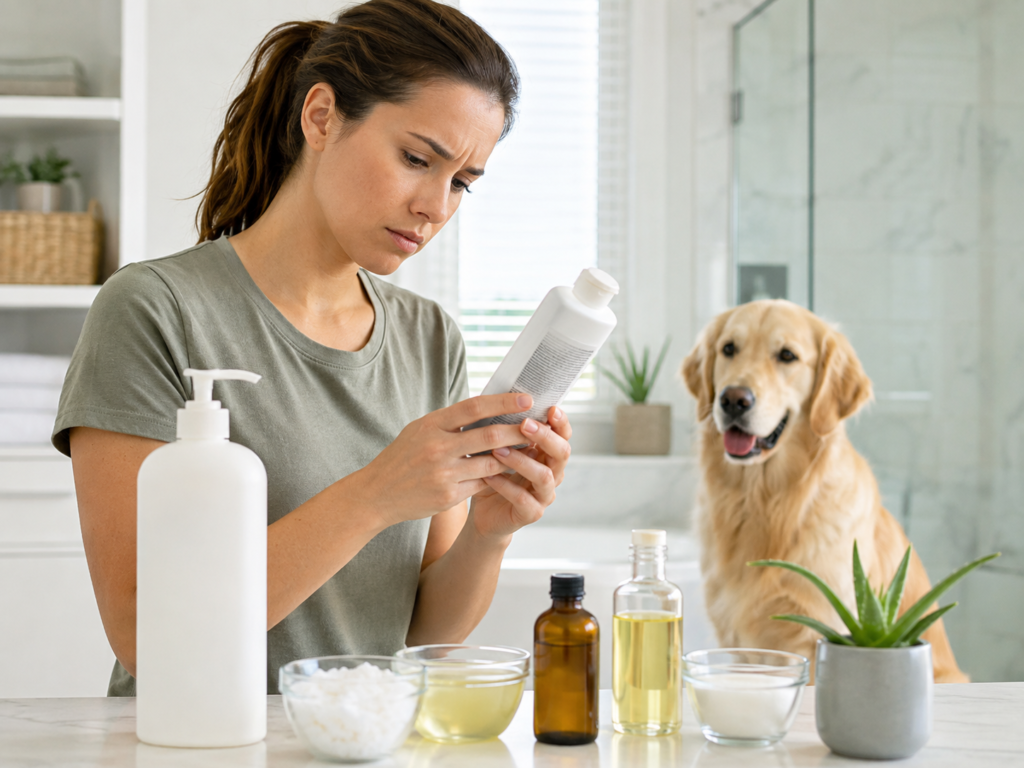
When scanning the label, steer clear of:
- Sodium Lauryl Sulfate (SLS) – Harsh detergent that strips natural oils
- Artificial fragrances/dyes – Common allergy triggers
- Parabens – Preservatives linked to skin irritation
- Alcohol – Extremely drying for already sensitive skin
- Formaldehyde-releasing preservatives – Potential irritants and toxins
Reading labels carefully takes an extra minute but can save your dog weeks of discomfort.
5. Top 8+ Best Dog Shampoos for Sensitive Skin
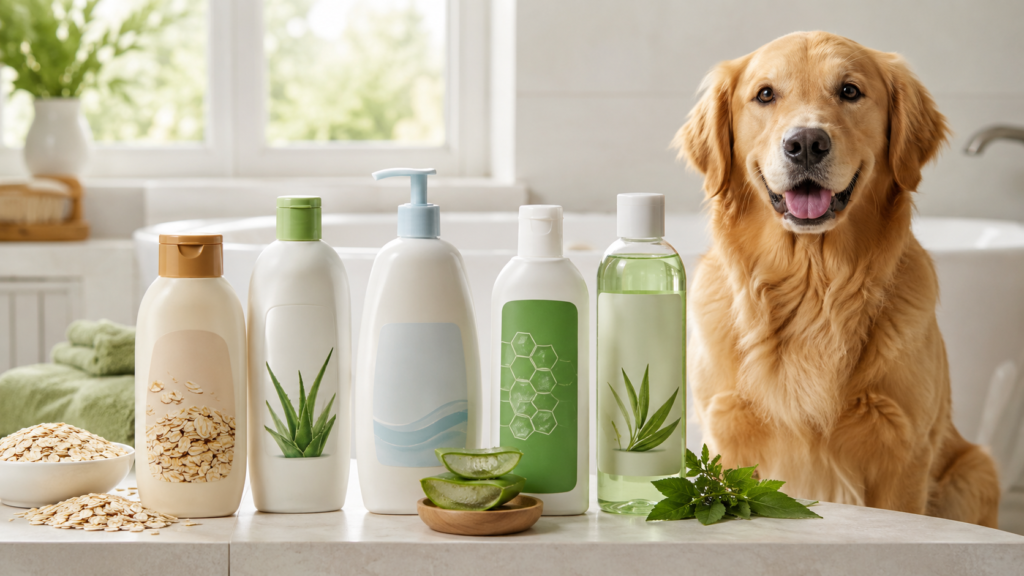
Below are our top picks, chosen based on ingredient quality, customer reviews, veterinary recommendations, and suitability for various skin conditions. These work well for dogs worldwide, and most brands ship internationally or have regional equivalents available.
1. Veterinary Formula Antiseptic & Antifungal Shampoo
Specially designed for dogs with bacterial or fungal skin issues alongside sensitivity. Great for hot spots and mild infections. 👉 https://link.amazon/B08T1EDqP
2. Burt’s Bees for Dogs Oatmeal Shampoo
A soap-free, sulfate-free formula infused with colloidal oatmeal and honey. Gentle enough for puppies and dogs with dry, itchy skin. 👉 https://link.amazon/B0a4vyk4n
3. Earthbath All Natural Oatmeal & Aloe Shampoo
A fan-favorite among groomers, this fragrance-balanced, pH-balanced formula soothes itchy skin using oatmeal and aloe vera without soap or harsh detergents. 👉 https://link.amazon/B07eRBbER
4. Vet’s Best Hypo-Allergenic Shampoo
Formulated by veterinarians specifically for dogs with allergies and sensitivities. Free from soap, dyes, and parabens. 👉 https://link.amazon/B0eeHrNLK
5. Wahl Natural Pet Oatmeal Shampoo
A budget-friendly option that’s free of harsh dyes and parabens. Contains oatmeal and coconut-lime verbena for a gentle clean. 👉 https://link.amazon/B00H6eZRb
6. TropiClean Hypoallergenic Shampoo
Made with naturally derived ingredients and free from soap, paraben, dye, and sulfates. Suitable for cats and dogs, and ideal for dogs with extremely reactive skin. 👉 https://link.amazon/B091ZKoGp
7. 4-Legger Organic Hypoallergenic Dog Shampoo
Certified organic and USDA-approved ingredients, free from synthetic chemicals. A great option for eco-conscious pet parents with sensitive-skinned dogs. 👉 https://link.amazon/B0fXNze7E
8. Pro Pet Works All Natural Oatmeal Shampoo
Formulated for dogs with allergies, dry, itchy, or flaky skin. Contains aloe vera and oatmeal, and is free of soap, parabens, and DEA. 👉 https://link.amazon/B08eIetJX
9. Isle of Dogs Silky Coating Hypoallergenic Shampoo
A slightly more premium option with a coconut-based cleanser, ideal for dogs with silky or long coats and reactive skin. 👉 https://link.amazon/B04XQUtuC
10. Nootie Soothing Aloe Shampoo
A medicated formula that combines aloe vera with soothing agents to calm inflamed, itchy skin. Available in multiple scent-free variations. 👉 https://link.amazon/B0br4dw6W
Quick Tip: Always patch-test a new shampoo on a small area of your dog’s skin and wait 24 hours before a full bath, especially if your dog has a history of allergic reactions.
6. How to Bathe a Dog with Sensitive Skin (Step-by-Step)
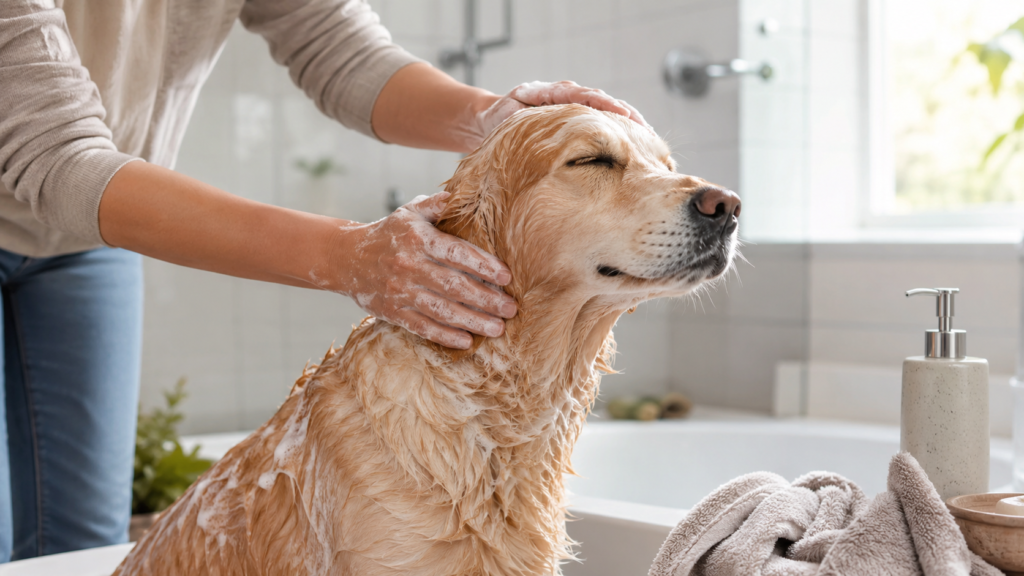
Even the best shampoo won’t help much if the bathing technique aggravates the skin. Follow these steps for a soothing, irritation-free bath:
Step 1: Brush Before Bathing Remove loose fur and tangles before wetting your dog. This prevents matting, which can trap moisture against the skin and cause irritation.
Step 2: Use Lukewarm Water Hot water strips natural oils and can worsen dryness. Lukewarm water is gentler on sensitive skin.
Step 3: Dilute the Shampoo Many sensitive-skin shampoos are formulated to be diluted with water before application. This reduces concentration and makes rinsing easier — check the label for dilution ratios.
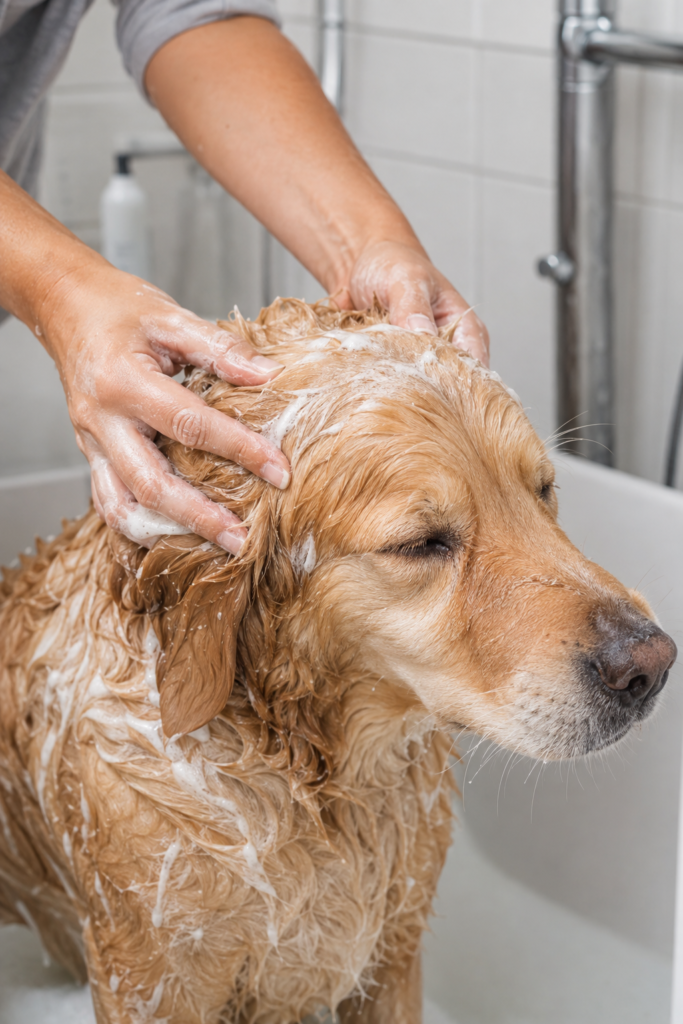
Step 4: Massage Gently Use your fingertips (not nails) to massage the shampoo in gently. Avoid scrubbing, which can cause micro-abrasions on already inflamed skin.
Step 5: Rinse Thoroughly Shampoo residue left on the skin is one of the most common causes of post-bath itching. Rinse for at least twice as long as you think is necessary.
Step 6: Pat Dry, Don’t Rub Rubbing with a towel can irritate sensitive skin further. Pat gently or use a low-heat dryer setting held at a safe distance.
Step 7: Apply a Soothing Moisturizer (Optional) Vet-approved, dog-safe skin balms or leave-in conditioners can help lock in moisture post-bath.
Bathing Frequency Tip: Most dogs with sensitive skin should be bathed every 2–4 weeks, unless your vet recommends otherwise. Over-bathing—even with a gentle shampoo—can disrupt the skin’s natural barrier.
7. Home Care Tips Between Baths
A good shampoo is just one part of managing sensitive skin. Consider these additional tips:
- Improve diet quality – Omega-3 and omega-6 fatty acids (found in fish oil supplements) support skin health from the inside out.
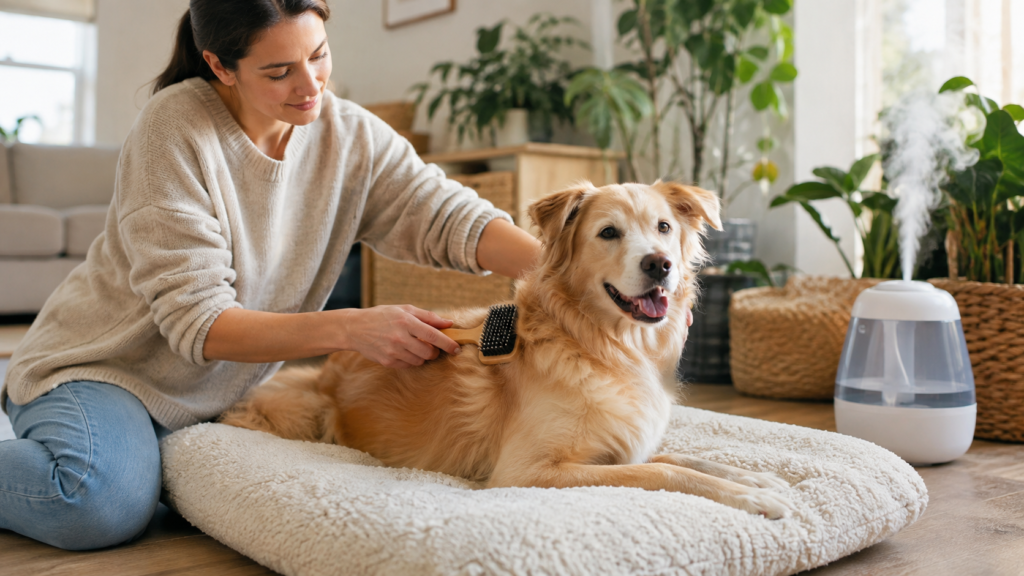
- Use a humidifier – In dry climates or winter months, indoor humidity can prevent skin from drying out further.
- Switch bedding materials – Some dogs react to synthetic fabrics; try hypoallergenic or natural fiber bedding.
- Regular flea prevention – Even one flea bite can trigger intense reactions in sensitive dogs.
- Avoid harsh cleaning chemicals – Residue from floor cleaners or carpet sprays can transfer to paws and skin.
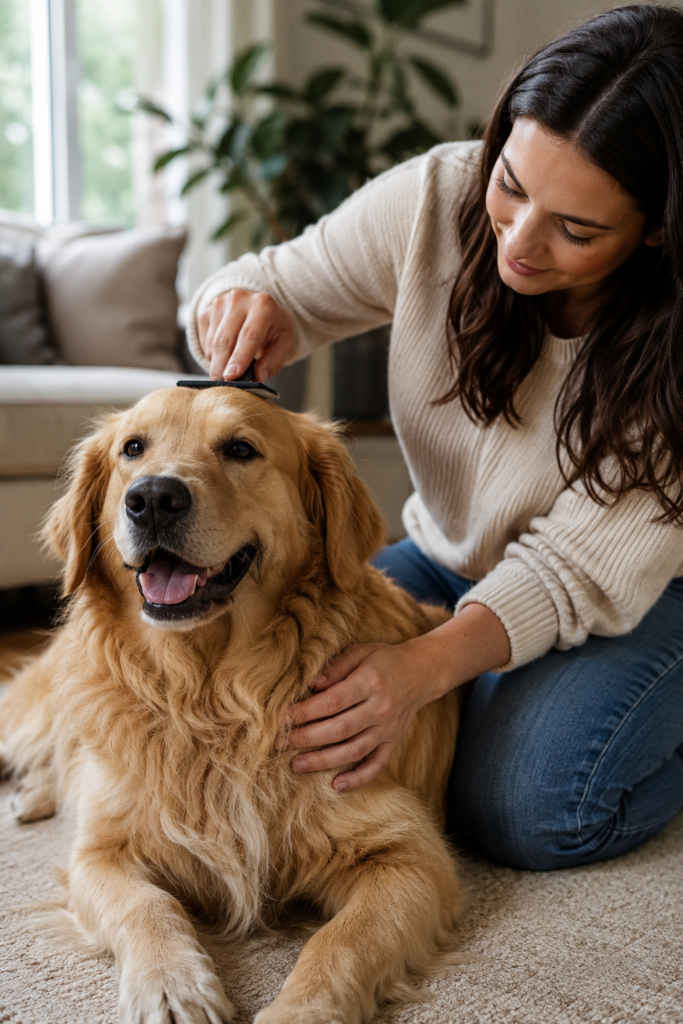
- Brush regularly – This distributes natural skin oils and removes allergens like pollen or dust trapped in the coat.
8. Frequently Asked Questions
Q1: Can I use human shampoo on my dog if they have sensitive skin? No. Human shampoo has a different pH balance than dog skin and can cause dryness, irritation, or worsen existing conditions. Always use a shampoo formulated specifically for dogs.
Q2: How often should I bathe a dog with sensitive skin? Generally every 2–4 weeks, though this varies by breed, condition, and vet recommendation. Over-bathing can strip natural oils and worsen sensitivity.
Q3: Are oatmeal shampoos good for all dogs? Oatmeal is generally safe and soothing for most dogs, but always patch-test first, especially for dogs with known grain allergies (though topical oatmeal rarely triggers ingestible allergies).
Q4: What’s the difference between hypoallergenic and medicated shampoo? Hypoallergenic shampoos are formulated to minimize allergic reactions using gentle, low-irritant ingredients. Medicated shampoos contain active ingredients (like antifungals or antiseptics) to treat specific skin conditions and are often recommended by vets for infections or parasites.
Q5: My dog’s skin isn’t improving even with a gentle shampoo. What should I do? Persistent skin issues despite proper care usually indicate an underlying condition (allergies, infection, hormonal imbalance) that needs veterinary attention. A shampoo alone can’t resolve medical skin conditions.
Q6: Can diet affect my dog’s skin sensitivity? Yes. Food allergies and poor-quality diets can directly contribute to skin problems. Omega fatty acids, high-quality protein, and balanced nutrition support healthier skin and coat.
Q7: Is it safe to use essential oils in dog shampoo? Some essential oils (like tea tree oil) can be toxic to dogs in high concentrations. Stick to shampoos specifically formulated and tested for dogs, and avoid DIY essential oil mixes unless approved by your vet.
9. Final Thoughts

Choosing the best dog shampoo for sensitive skin isn’t just about picking a trendy product — it’s about understanding your dog’s unique skin needs, reading ingredient labels carefully, and pairing the right shampoo with proper bathing technique and home care.
Start with a gentle, hypoallergenic, oatmeal-based formula from the list above, patch-test it, and monitor your dog’s skin over the next few baths. If irritation persists, don’t hesitate to consult your veterinarian — sensitive skin can sometimes signal an underlying health issue that needs more than just a shampoo switch.
Your dog deserves to feel comfortable in their own skin (literally), and with the right care routine, you can help them get there.
Have you tried any of these shampoos? Share your experience in the comments below — we’d love to hear what worked for your pup!
Disclaimer: This article is for informational purposes only and is not a substitute for professional veterinary advice. Always consult your veterinarian regarding your dog’s specific health and skin conditions.