
Meta description: Confused whether your dog is reactive or aggressive? Learn the real differences, the science behind each, and proven ways to help your dog feel calmer around triggers.
Category: Pet Behavior & Training | Read time: ~12 minutes
As an Amazon Associate, we earn from qualifying purchases. This post may contain affiliate links, which means we may earn a small commission — at no extra cost to you — if you buy through them.
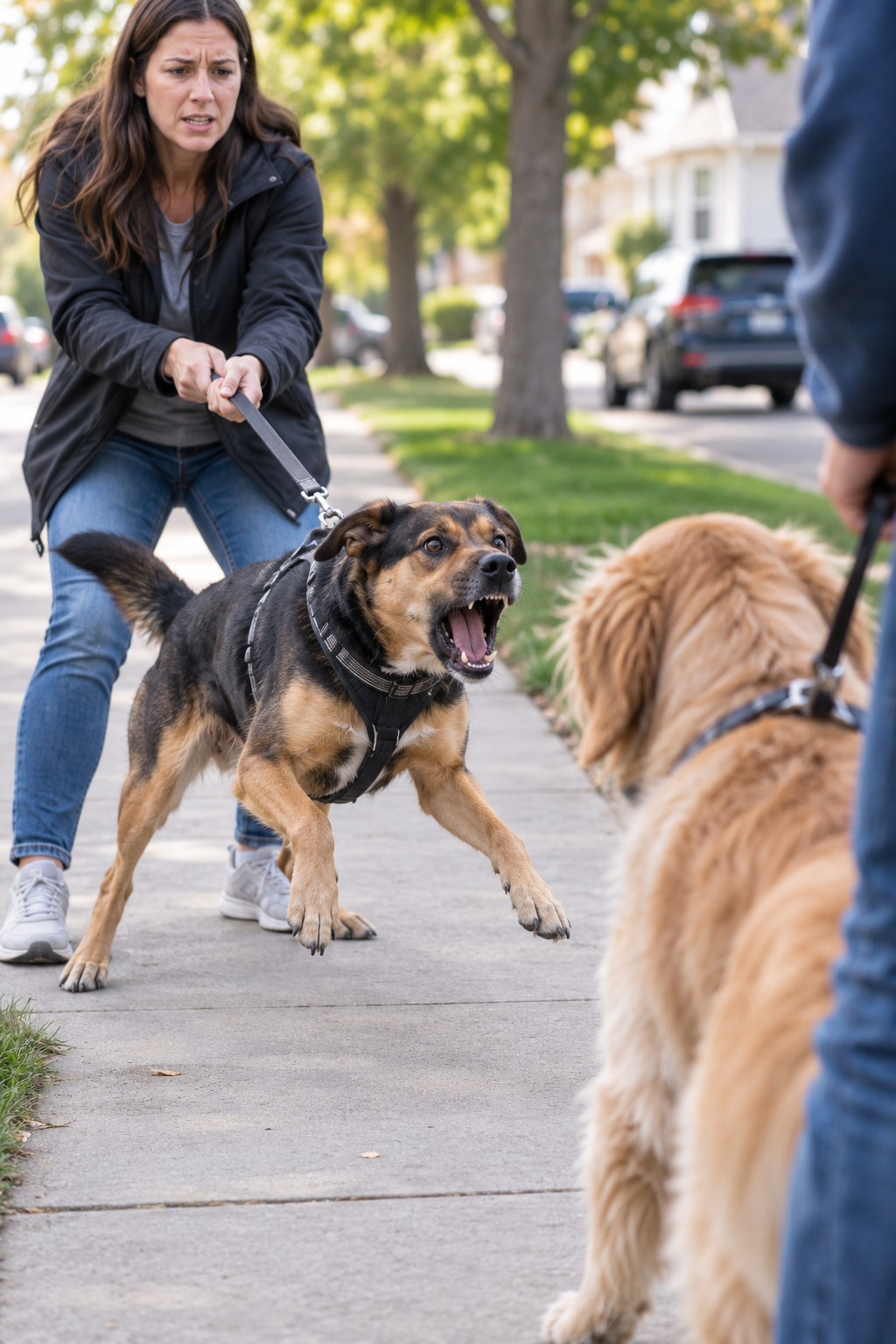
Your dog is calm at home. Sweet with the family. Then a stranger walks by on a leash, or another dog barks from across the street, and suddenly you’re holding back 60 pounds of barking, lunging, snarling chaos. Your first thought is probably: is my dog aggressive?
Here’s the reassuring truth most owners never hear: in the overwhelming majority of cases, what looks like aggression is actually reactivity — and the two are not the same thing. One is a fear response. The other is a genuine intent to cause harm. Mixing them up doesn’t just cause unnecessary panic; it can lead to the wrong kind of training, which can make the problem worse instead of better.
This guide breaks down exactly how to tell the difference, why reactivity happens, and what actually works to help your dog feel safer in the world — whether you’re dealing with leash lunging, growling at guests, or barking at every dog you pass.
Table of Contents
- What Is Dog Reactivity?
- What Is Dog Aggression?
- Reactivity vs. Aggression: The Key Differences
- Why Dogs Become Reactive
- Common Triggers
- How to Tell Which One You’re Dealing With
- Step-by-Step: Managing and Reducing Reactivity
- Tools and Products That Genuinely Help
- Myths That Make Reactivity Worse
- Reactivity in Puppies vs. Adult Dogs
- A Quick Real-World Example
- When to Call a Professional
- Frequently Asked Questions
1. What Is Dog Reactivity?
Reactivity describes a dog that overreacts to specific triggers — other dogs, strangers, bikes, loud noises, or fast movement — with behaviors like barking, lunging, whining, or spinning. The important part: reactivity is almost always rooted in fear, frustration, or overstimulation, not a desire to hurt anything.
A reactive dog on a leash might scream and lunge toward another dog, and to a passerby it looks terrifying. But if you let that same dog off-leash and remove the trigger, they often calm down within seconds. That fast on-off switch is a hallmark of reactivity — it’s an emotional spike, not a controlled decision to attack.
Trainers across the country consistently report that reactivity is the single most common behavior concern they’re asked to help with, far outpacing genuine aggression cases.
2. What Is Dog Aggression?
True aggression is a different animal — literally and behaviorally. It involves a dog that intends to cause harm, and it tends to be more deliberate, more targeted, and less easily interrupted. Aggression can be defensive (protecting resources, space, or a person) or, more rarely, purely offensive.
Signs that lean toward aggression rather than reactivity include:
- A stiff, still body followed by a fast, targeted bite rather than a lot of noise first
- Behavior that continues or escalates even after the trigger is removed
- Resource guarding that involves biting rather than just growling or freezing
- A consistent pattern of seeking out conflict rather than reacting to something that approached first
Aggression is less common than reactivity, but it’s also more serious and generally requires a professional evaluation rather than at-home fixes.
3. Reactivity vs. Aggression: The Key Differences
| Reactivity | Aggression | |
|---|---|---|
| Root cause | Fear, overstimulation, frustration | Intent to harm, resource guarding |
| Trigger response | Fast, loud, often stops once trigger is gone | Deliberate, can escalate, harder to interrupt |
| Body language | Frantic, high energy, often frightened eyes | Stiff, still, focused stare before acting |
| Recovery | Usually calms down quickly once removed from trigger | May stay tense or continue seeking conflict |
| Most common cause | Poor socialization, past scare, leash frustration | Resource guarding, territorial behavior, learned defense |
| Typical fix | Desensitization, counterconditioning, management | Professional behaviorist evaluation, structured plan |
4. Why Dogs Become Reactive
Reactivity rarely appears out of nowhere. The most common roots include:
Limited early socialization. Puppies that weren’t calmly exposed to a range of people, dogs, and environments during their key developmental window often grow up unsure how to process new stimuli.
A past scary experience. One bad encounter with an off-leash dog, a rough handling experience, or even a startling noise can create a lasting fear association.
Leash frustration. Some dogs are actually friendly and simply frustrated that the leash stops them from greeting another dog — this is sometimes called “barrier frustration” and looks almost identical to fear-based reactivity from the outside.
Genetics and breed tendencies. Some breeds are naturally more alert or wary of strangers, which can tip into reactivity without the right early guidance.
Chronic stress. Dogs living in loud, unpredictable, or high-conflict households often have a lower threshold before they react.
5. Common Triggers
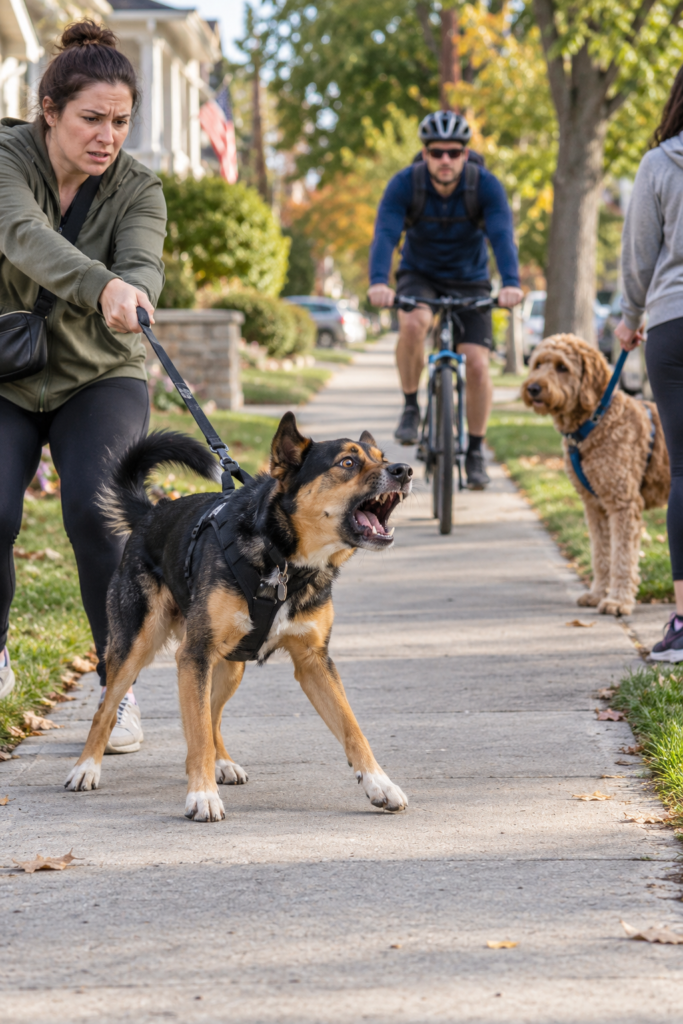
Reactivity usually centers around one or more of these:
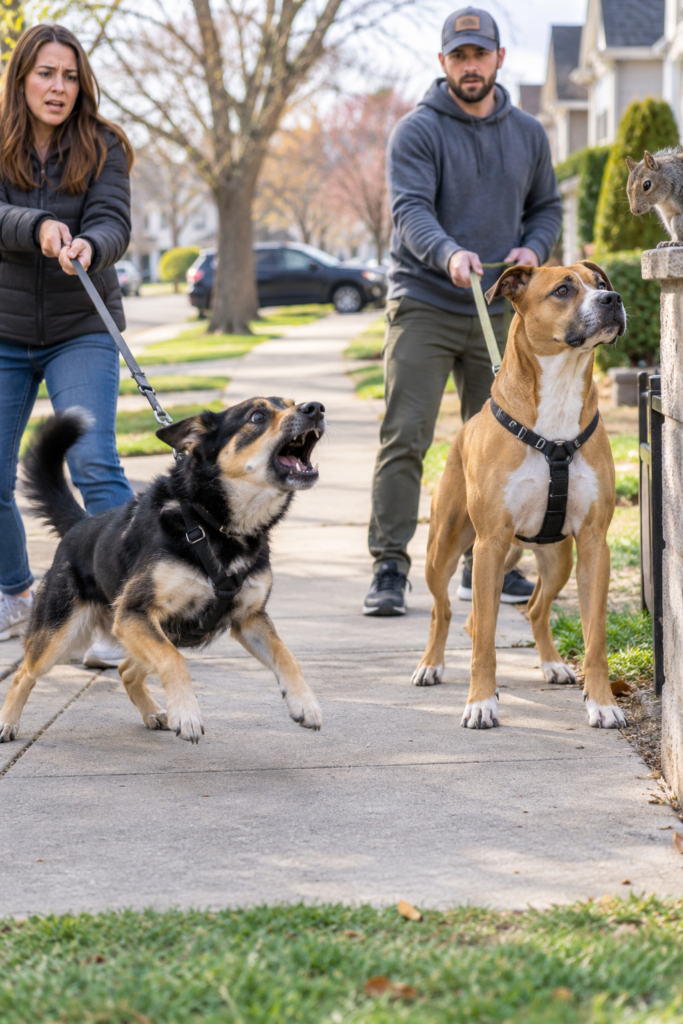
- Other dogs, especially on-leash
- Strangers approaching too fast or reaching toward the dog
- Bikes, skateboards, or joggers
- Loud or sudden noises
- Being approached while in the car or behind a fence (barrier reactivity)
- Specific categories of people, like people in hats or uniforms
Identifying the exact trigger — and the distance at which your dog starts to react — is the single most useful piece of information for fixing the problem.
6. How to Tell Which One You’re Dealing With
Ask yourself these questions:
- Does the behavior stop almost immediately once the trigger leaves? Reactivity usually does; aggression can linger.
- Is there a lot of noise (barking, whining) before any contact happens? That’s typically reactivity. A quiet, sudden bite with little warning leans toward aggression.
- Is your dog fine with the same trigger in a calmer context (like meeting a dog off-leash in a controlled setting)? If yes, it’s very likely reactivity, not a fundamental aggression issue.
- Has your dog ever actually made contact and caused injury, versus just displaying big, loud warning behavior? Warning behavior without contact is far more common and far less serious than it looks.
If you’re still unsure, or if there has been any bite that broke skin, treat it as a priority to get a professional evaluation rather than guessing.
7. Step-by-Step: Managing and Reducing Reactivity
Step 1: Find the Threshold Distance
Every reactive dog has a distance at which they notice a trigger but stay calm enough to focus. Start your training sessions at that distance — not closer.
Step 2: Pair the Trigger With Something Great
The moment your dog notices the trigger at a safe distance, immediately deliver high-value treats or praise. Over time, the trigger itself starts to predict good things instead of danger. This is called counterconditioning.
Step 3: Slowly Decrease Distance
Once your dog is consistently relaxed at one distance, move slightly closer over multiple sessions — never all at once. Rushing this step is the most common reason reactivity training stalls.
Step 4: Manage the Environment While You Train
While you’re working through training, avoid unnecessary exposure to triggers at close range. Cross the street, use quieter walking times, or choose different routes. This isn’t giving up — it’s preventing your dog from “practicing” the reactive response.
Step 5: Build Impulse Control at Home
Simple exercises like “wait” before meals, calm greetings at the door, and settle-on-a-mat training all build the same self-control muscles your dog needs on walks.
Step 6: Stay Consistent
Reactivity training is measured in weeks and months, not days. Short, consistent sessions beat occasional long ones.
8. Tools and Products That Genuinely Help
The right equipment won’t fix reactivity on its own, but it makes training sessions safer and more effective. A few categories worth considering (as an Amazon Associate, we earn from qualifying purchases made through the links below):
A front-clip no-pull harness gives you better control during triggering moments without adding pressure to your dog’s neck, which can actually increase stress. This is one of the most recommended tools trainers use for reactive dogs on walks. 👉https://link.amazon/B0gOgWHkm
High-value training treats matter more than most owners expect. Reactivity training relies on treats your dog finds genuinely exciting — not their regular kibble — so the positive association is strong enough to compete with the stress of the trigger. 👉 https://link.amazon/B06isjm2o
A calming anxiety wrap or vest can take the edge off for dogs whose reactivity is rooted in general anxiety, making training sessions more productive. 👉 https://link.amazon/B0gOrzt40
9. Myths That Make Reactivity Worse
Myth: “He’s just being dominant.” Dominance theory has been largely set aside by modern behavior science. Most reactive behavior traces back to fear, poor early exposure, or frustration — not a dog trying to “win” against you or other dogs.
Myth: “If I comfort him, I’m rewarding the fear.” You cannot reinforce an emotion, only a behavior. Calmly reassuring a frightened dog doesn’t teach them to be more afraid — it can actually help lower their stress in the moment, as long as you’re not adding excitement or tension of your own.
Myth: “He’ll grow out of it.” Some mild puppy wariness does fade with normal exposure and maturity, but true reactivity almost never resolves on its own. Left unaddressed, it typically stays the same or slowly worsens as the dog rehearses the same reaction over and over.
Myth: “A firmer correction will snap him out of it.” Punishing a fear response tends to suppress the warning signs (growling, barking) without resolving the underlying fear — which can be dangerous, since a dog may stop warning before they react and go straight to a bite. Addressing the emotion underneath is far more effective long-term.
10. Reactivity in Puppies vs. Adult Dogs
Puppies often show what looks like reactivity during fear periods — developmental windows, usually around 8–11 weeks and again around 6–14 months, when new experiences can leave a stronger negative impression than usual. A single bad encounter during these windows can shape adult behavior significantly. If you have a puppy showing early signs of wariness around specific triggers, calm, low-pressure exposure now is far easier than correcting the same pattern in a fully grown adult dog.
Adult dogs with established reactivity usually need a more structured protocol, simply because the emotional pattern has had time to become a habit. This doesn’t mean it’s too late — dogs of any age can improve significantly with consistent counterconditioning — but progress is typically slower and requires more patience than early intervention in puppyhood.
Senior dogs that suddenly develop reactivity later in life are a special case worth flagging to a vet, since new-onset behavior changes in older dogs can sometimes be linked to pain, vision or hearing loss, or cognitive changes rather than a purely behavioral cause.
11. A Quick Real-World Example
Imagine two dogs that both bark and lunge at other dogs on a leash.
Dog A stops barking the second the other dog turns a corner, happily takes treats mid-reaction, and plays normally with familiar dogs off-leash. This is a textbook reactive profile — likely frustration or fear-based, and a strong candidate for standard desensitization work.
Dog B continues to stare and tense up even after the other dog is gone, refuses treats during the encounter, and has a history of resource guarding at home. This profile leans more toward a genuine aggression concern and is a stronger case for bringing in a certified behaviorist before attempting DIY training.
Same surface behavior, two very different underlying pictures — which is exactly why guessing based on appearance alone is so unreliable.
12. When to Call a Professional
Reach out to a certified trainer or veterinary behaviorist if:
- Your dog has ever bitten and broken skin
- The reactivity is getting worse despite consistent training
- You feel physically unsafe managing your dog on walks
- The behavior includes resource guarding with biting
- You’re not seeing any progress after several weeks of consistent effort
A professional can also rule out pain or a medical cause, since dogs in discomfort sometimes become suddenly reactive or snappy in ways that look behavioral but aren’t.
13. Frequently Asked Questions
Is reactivity the same as aggression? No. Reactivity is an over-the-top emotional response, usually rooted in fear or frustration. Aggression involves genuine intent to cause harm. Most “aggressive-looking” dogs are actually reactive.
Can a reactive dog become aggressive over time? It’s possible if reactivity isn’t addressed and the dog’s stress keeps escalating without intervention, but it’s not the typical outcome. Most reactive dogs improve significantly with consistent training and never escalate to true aggression.
Can reactivity be fully cured? Many dogs improve dramatically and become manageable or even calm around former triggers. “Cured” isn’t always the right word — think of it more like a stress level that becomes small enough not to interfere with daily life.
Is punishment an effective fix for reactivity? Punishing a fear-based response tends to increase stress and can worsen reactivity over time. Reward-based counterconditioning is the approach most modern trainers recommend.
Should I avoid walks altogether while training? No — but you may need to temporarily choose quieter routes or times to avoid triggering reactions you’re not yet ready to work through, while still giving your dog the exercise and mental stimulation they need.
Do certain breeds get labeled “aggressive” when they’re really just reactive? Yes, this happens often. Breeds that are naturally alert, vocal, or protective are frequently mislabeled as aggressive based on appearance and stereotype rather than actual behavior. Evaluating each dog individually — body language, triggers, and recovery time — is far more accurate than judging by breed.
How long does reactivity training usually take? Most owners start seeing meaningful progress within 4–8 weeks of consistent, short daily sessions, though full comfort around a trigger can take several months. Dogs with a longer history of practicing the reactive response, or more intense underlying fear, may need longer.
Can diet or exercise affect reactivity? Indirectly, yes. An under-exercised or under-stimulated dog often has a shorter fuse and a lower threshold before reacting. Regular physical exercise and mental enrichment — puzzle feeders, sniff walks, training games — can noticeably improve a dog’s baseline stress level, making training sessions more effective.
Disclaimer: This article is for general informational purposes and isn’t a substitute for a professional, in-person behavior evaluation. If your dog has bitten someone or you feel unsafe, consult a certified dog trainer or veterinary behaviorist.